Structural Concrete in Mobile
Structural Concrete for Mobile Homes and Businesses
Service Area and Availability in Mobile, AL
We provide structural concrete services throughout Mobile, AL and the surrounding areas, including Saraland, Semmes, Prichard, Chickasaw, Eight Mile, and Citronelle. With over 10 years working right here in Mobile County, we know the neighborhoods, the roads, and the building landscape well. Whether your project is near Downtown Mobile, out in Springhill, or along the Moffett Road Corridor, we can get to your site quickly and get to work without a long wait. We are available for site visits, consultations, and project scheduling throughout the week.
Common Structural Concrete Pain Points Homeowners and Builders Face
If you are dealing with a settling foundation, cracked slabs, or a new build that needs a solid structural base, you already know how stressful it can be to find someone you can trust. Structural concrete is not like a simple flatwork pour. It involves load calculations, proper concrete reinforcement, formwork, mix selection, and curing — all of which have to be done right the first time. Mistakes at this stage are not cheap to fix. We have seen what happens when concrete cracking develops in load-bearing elements because the mix design was wrong or the curing was rushed. Those repairs cost far more than getting it right from the start. When you hire us, you get a crew that treats structural integrity as the baseline, not a bonus.
Local Knowledge: Mobile Soil Conditions, Coastal Weather, and Neighborhood Context
Mobile's soil and weather create real challenges for structural concrete work. Much of the city sits on soft ground conditions, alluvial deposits, and areas with a high water table — especially near the Mobile River, Dog River, and Three Mile Creek. In neighborhoods like Toulminville, Old Dauphin Way, and areas close to Mobile Bay, soil bearing capacity and moisture can vary significantly from one lot to the next. On top of that, Mobile's heat and humidity affect concrete mix design and how concrete cures on the job. We follow ACI 305R guidelines for hot-weather concrete and select admixtures and aggregate — including materials from local suppliers like CEMEX Mobile and Ready Mix USA Mobile — that hold up in our coastal environment. We also understand what the City of Mobile Building Permits Office and Mobile County Inspection Services expect on structural pours, so your project stays on track.
Frequently Asked Questions from Mobile Property Owners About Structural Concrete
One of the first things people ask us is what is structural concrete and how it differs from a standard driveway or patio pour. That is a fair question, and it is one we cover in detail in the next section. Other common questions include what concrete strength is required for a foundation in Mobile, whether we handle permits, and how we address the soft soil and moisture issues common to this area. People also want to know about concrete durability in a coastal climate, how long pours take, and what reinforcement we use. We hear these questions from property owners in Midtown Mobile, Cottage Hill, Bellingrath Hills, and all across the county. We want you to have straight answers before we ever pick up a tool, so keep reading and we will walk you through everything you need to know.
What Is Structural Concrete
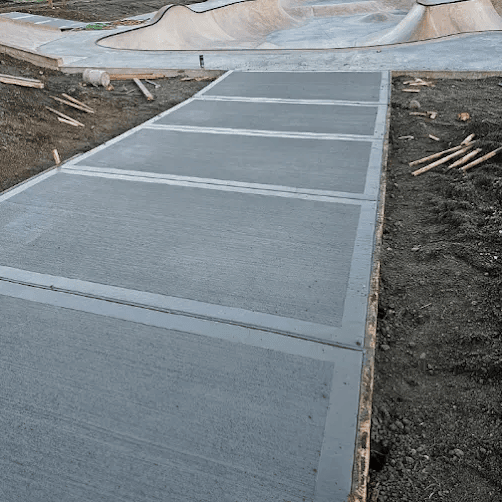
Structural concrete is concrete that is designed and built to carry loads. It holds up buildings, bridges, walls, and other structures. It is not the same as a decorative overlay or a simple driveway slab. When we pour structural concrete, every decision matters, from the concrete mix design to the placement of reinforced concrete steel inside the forms. We have over 20 years of combined experience pouring concrete, and more than 10 of those years have been spent working right here in Mobile, AL, where local soil conditions and coastal weather add real challenges to every structural project.
How Structural Concrete Differs from Decorative or Flatwork Concrete
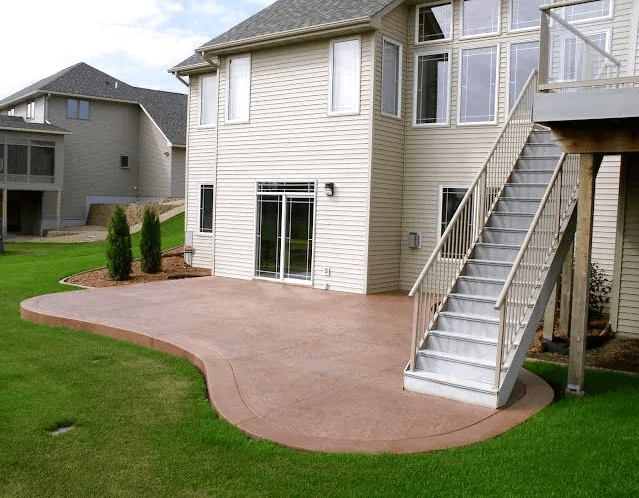
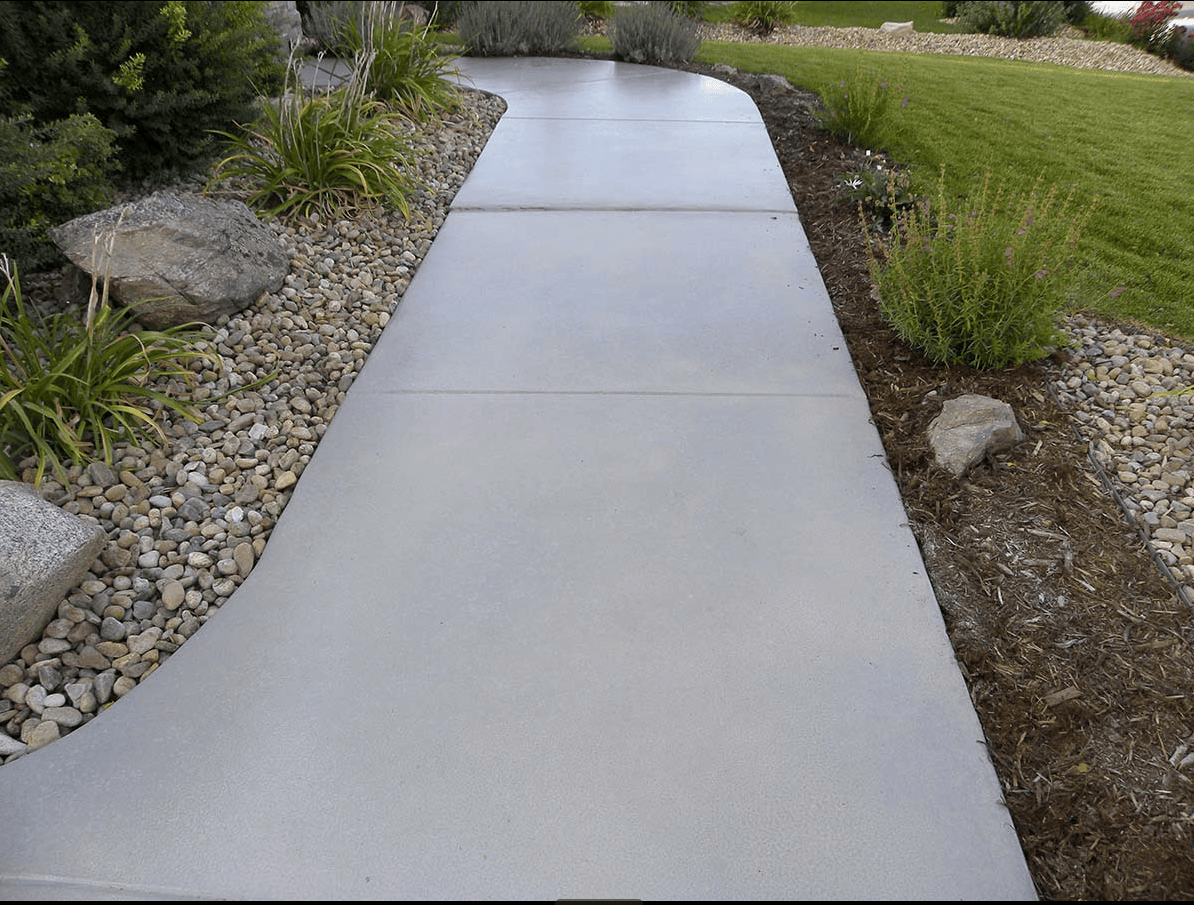
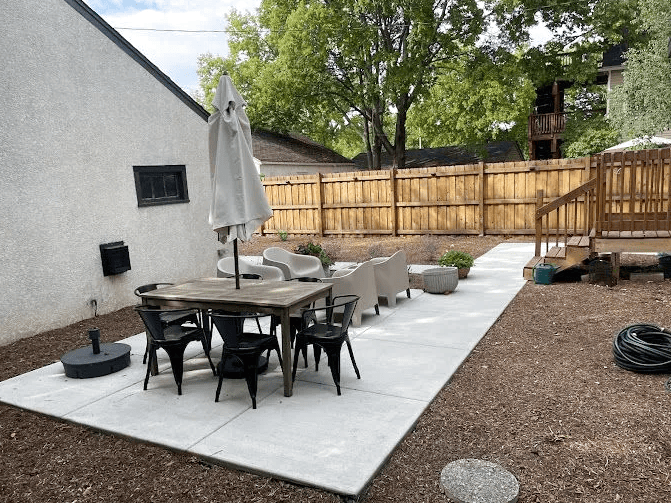
Flatwork and decorative concrete, like patios or stamped walkways, are mostly about appearance and surface function. Structural concrete is about strength. It has to meet specific 28-day compressive strength requirements, often in the range of 4000 psi to 5000 psi or higher, depending on what the structure needs to do. The concrete reinforcement inside, typically Grade 60 rebar meeting ASTM A615 or ASTM A706, gives the concrete the tensile strength it cannot produce on its own. Concrete is strong under compression but weak under tension, so the steel and concrete work together. Structural work also requires coordination with a structural engineer, proper concrete formwork, on-site testing using cylinder molds and a slump cone, and compliance with standards like ACI 318 and IBC Section 1901. Decorative work simply does not carry those same requirements.
The Role Structural Concrete Plays in Load-Bearing Applications
Every load a building carries, whether from its own weight, the people inside, wind, or storm forces, eventually travels down through structural concrete elements and into the ground. That transfer of force has to be controlled and predictable. In Mobile, we also design for hurricane wind loads guided by ASCE 7-22, since coastal Alabama sees serious storm events. The structural integrity of a concrete element depends on correct structural analysis, proper concrete curing techniques following ACI 308, and a mix that accounts for our local exposure conditions, including high humidity, salt air near Mobile Bay, and the sulfate-rich or expansive soils found across areas like Semmes, Eight Mile, and sites near Three Mile Creek. When these factors are handled correctly, structural concrete becomes one of the most durable and reliable construction materials available.
Common Structural Concrete Elements: Foundations, Footings, Slabs, Beams, Columns, and Retaining Walls
We work with all of the major structural concrete elements that homes and commercial buildings depend on. Spread footings and grade beams anchor structures to the soil. Foundation walls and slab-on-grade systems form the base that everything else sits on. Beams and columns carry floor and roof loads down through the frame. Retaining walls hold back soil on sloped or flood-prone sites, which is something we see often near Dog River, Fowl River, and low-lying areas throughout Mobile County. On sites with soft ground conditions or a high water table, we also work with drilled piers, including 12-inch and 24-inch drilled piers, to reach stable bearing soil below the surface. Each of these elements requires its own approach to concrete pouring methods, reinforcement layout, formwork, and curing. Getting any one of them wrong can affect the entire structure above it. In the next section, we will walk through the specific structural concrete services we offer throughout Mobile, AL and the surrounding communities.
Structural Concrete Services We Offer in Mobile, AL
We have been working with structural concrete in Mobile for over 10 years, and our crews bring more than 20 years of combined experience to every pour. Whether you are building a new home near Springhill or putting up a commercial structure along Airport Boulevard, we understand what it takes to do the job right the first time. Below is a breakdown of the structural concrete services we offer throughout the Mobile area.
Foundations and Footings
Your foundation is the most important part of your building. We design and pour spread footings, grade beams, and slab-on-grade foundations using reinforced concrete that meets ACI 318 and local Mobile County building requirements. Soil conditions here can vary a lot. Areas near the Mobile River and Dog River often sit on soft ground conditions or alluvial deposits, and some sites deal with a high water table. We account for all of that when we plan your footing depth, width, and reinforcement layout. We typically work with #4 and #5 rebar at spacing and cover depths set by your structural engineer, and we select a concrete mix design suited to the exposure conditions on your specific site.
Concrete Slabs for Residential and Commercial Structures
A well-built slab starts with the right concrete mix design and proper ground prep. We pour residential and commercial slabs throughout Mobile, including neighborhoods like Semmes, Saraland, and Cottage Hill. We use vapor barriers, proper base compaction, and reinforcement placement that meets your project specs. Controlling concrete cracking is a big part of what we do at this stage. We cut control joints at the right intervals and use fiber mesh reinforcement or welded wire reinforcement where it makes sense. Slump is tested on-site using a slump cone to make sure the mix stays within spec before it ever leaves the truck.
Beams and Columns
Beams and columns carry the loads from your structure down to the foundation, so there is no room for shortcuts. We build and set concrete formwork using systems that hold tight tolerances during the pour. Proper consolidation with an internal concrete vibrator removes air pockets and prevents honeycombing, which can compromise structural integrity. We place Grade 60 reinforcement according to your structural analysis and engineering drawings, and we follow ACI 301 guidelines for forming, placing, and finishing these elements. After the pour, we apply proven concrete curing techniques to protect the surface and help the concrete reach its full 28-day compressive strength.
Retaining Walls
Retaining walls in Mobile have to deal with heavy rainfall, wet soils, and in some cases tidal influence near low-lying areas around Mobile Bay. We build reinforced concrete retaining walls that are designed to handle both soil pressure and water pressure. Drainage details matter here just as much as the wall itself. We incorporate weep holes, backfill gravel, and waterproofing where conditions call for it. For sites with sulfate-rich soil, we can spec Type V sulfate-resistant cement to protect the concrete over the long term. The concrete durability of a retaining wall depends on getting those details right from day one.
Piles, Piers, and Shoring for Soft or Flood-Prone Sites
Some sites in Mobile simply will not support a standard foundation without deeper solutions. Low-lying areas near Fowl River, Three Mile Creek, or parts of Midtown Mobile can have soft ground conditions that require drilled piers or concrete piles. We work alongside licensed structural engineers to determine the right pier diameter, depth, and reinforcement for your bearing capacity requirements. For elevated structures in flood zones, we can help coordinate the design and placement of structural concrete piers that meet ASCE 7-22 load requirements and local floodplain rules set by the City of Mobile. Shoring solutions are also available when existing structures need temporary support during repair or renovation work.
Structural Concrete Repair and Rehabilitation
Existing concrete does not always need to be torn out and replaced. We assess spalling, concrete cracking, corrosion of reinforcement, and other damage to determine the right repair path. In Mobile's coastal climate, salt air accelerates corrosion in concrete that was not built with enough cover over the rebar. We use repair mortars like MasterEmaco and Mapei Planitop to restore section loss, and we can apply Xypex Concentrate or Penetron Admix for waterproofing on below-grade elements. When corrosion is the underlying issue, we address the root cause rather than just patching the surface.
Each of these services comes back to the same core idea: structural concrete has to perform reliably for decades in a climate like Mobile's. That starts with good materials, sound engineering, and experienced hands on the job. In the next section, we will get into why concrete is such a practical choice for structures here in the first place.
A few years back, we took on a structural concrete job for a commercial client over near the Port of Mobile. It seemed straightforward at first, but things got complicated fast. We were about halfway through the pour when a line of Gulf Coast thunderstorms rolled in off the water. If you've lived in Mobile for any time at all, you know how quickly the weather can turn down here, especially in the summer months.
The problem was serious. When rain hits fresh concrete during a pour, it adds extra water to the mix. That throws off the water-to-cement ratio, and when that happens, the concrete loses a big chunk of its strength. For a structural pour, that's not something you can just look past. Structural concrete has to meet specific load-bearing standards, and cutting corners on strength isn't an option.
We made the call to stop the pour and cover everything we had already placed with our protective sheeting. Our crew worked quickly to protect the fresh concrete while the storm passed through. Once the rain cleared, we had to carefully assess what we had. We tested the exposed edges, checked our mix records, and decided that a section near the east foundation wall needed to be removed and repoured to meet the structural specs.
It cost us extra time and materials, but we weren't willing to hand over a finished job that didn't meet the standards your building deserved. After more than 20 years of combined experience pouring concrete, and over 10 years working right here in Mobile, we've learned that doing things right the first time is always worth it, even when it means making a tough call on the job site.
Why Structural Concrete Works Well in Mobile, AL
Mobile sits in a part of Alabama where the climate, soil, and coastal exposure put real demands on any building material. After more than 20 years of combined concrete experience and over 10 years working specifically in this area, we have seen firsthand why reinforced concrete holds up where other materials fall short. From Springhill to Semmes and from the Oakleigh Garden District down toward Dog River, the conditions here call for a material built to last.
Hurricane and High-Wind Resistance in Coastal Alabama
Mobile sits squarely in hurricane territory. Under ASCE 7-22 wind load requirements, structural concrete performs reliably when it is properly designed and poured. Unlike wood framing, concrete walls, columns, and beams resist lateral forces without warping, splitting, or pulling apart at connections. Properly formed and reinforced concrete gives your structure a solid backbone when a major storm comes through.
Flood and Erosion Resilience in Low-Lying and Waterfront Areas
Many parts of Mobile sit near tidal influence zones, including areas along Mobile Bay, Fowl River, and Three Mile Creek. In flood-prone spots, concrete durability matters because the material does not absorb water the way wood does, and it resists the erosion and undermining that can eat away at weaker foundations over time. When we design foundations for these sites, we account for hydrostatic pressure and use appropriate admixtures and waterproofing details to keep structural elements sound.
Handling Mobile's Clay-Heavy and High-Water-Table Soils
Mobile Bay Clay and other expansive soils are common throughout Mobile County. These soils shift and swell with moisture changes, which puts real stress on foundations. A high water table makes things more complicated, especially in lower-lying neighborhoods like Eight Mile or along the Moffett Road Corridor. We size footings and grade beams to match actual bearing conditions, and when soft ground conditions call for it, we use drilled piers or other deep foundation options. Getting the footing design right from the start prevents the kind of settling and concrete cracking that leads to expensive repairs later.
Resistance to Humidity, Rot, Termites, and Coastal Moisture
Mobile's heat and humidity are hard on organic building materials. Wood rots, termites tunnel through it, and moisture accelerates the breakdown of almost anything that is not concrete or steel. Concrete does not rot, termites cannot eat it, and when it is mixed and cured correctly it resists the coastal moisture that shortens the life of so many structures in this region. For below-grade work or areas with sulfate-rich soil, we specify Type V Sulfate-Resistant Cement or include supplementary materials like fly ash to protect structural integrity over the long haul.
Long-Term Durability and Low Maintenance in the Gulf Coast Climate
One of the most practical benefits of structural concrete in Mobile is how little attention it needs once it is properly placed and cured. There are no boards to replace, no coatings that peel in the sun, and no annual treatments required. A well-built concrete foundation or slab near landmarks like the Port of Mobile or out in a subdivision like Stonebridge should perform for decades with minimal upkeep. That long service life also means lower life-cycle costs compared to materials that need regular repair or replacement in our Gulf Coast conditions.
Getting this kind of performance out of concrete does not happen by accident. It starts with choosing the right concrete mix and reinforcement strategy for your specific project and site, which is exactly what we cover next.
Concrete Mix Design and Reinforcement
When we pour structural concrete in Mobile, AL, the mix design and reinforcement plan are two of the most important decisions we make before a single truck rolls onto your site. Get these right, and your foundation, slab, or beam will hold up for decades. Get them wrong, and you could be looking at expensive repairs down the road. Here is what you need to know about how we approach this work.
Choosing the Right Concrete Strength (PSI) for Structural Applications
Not all concrete is the same. For structural work, we typically work with mixes ranging from 4000 psi to 6000 psi compressive strength, measured at 28-day compressive strength. A standard residential foundation in Mobile might call for 4000 psi, while columns, beams, or heavily loaded slabs may require 5000 psi or higher. We follow ACI 318 and IBC Section 1901 to make sure the concrete strength we specify matches what your project actually needs. We also keep a close eye on the water-cement ratio, often targeting a 0.40 water-cement ratio for durability in Mobile's coastal environment, where salt air and humidity can break down weaker mixes faster than you might expect.
Rebar Placement and Reinforcement Planning
Concrete is strong under compression but has low tensile strength on its own. That is where concrete reinforcement comes in. We use Grade 60 reinforcement including #4, #5, and #6 rebar depending on the structural load and design. In areas close to Mobile Bay or in flood-prone zones near Dog River or Fowl River, we often specify epoxy-coated rebar to guard against corrosion from moisture and salt exposure. Proper concrete cover, typically 3-inch concrete cover for interior elements and more for exposed or below-grade work, keeps the steel protected. Our reinforced concrete placements follow ASTM A615 and ASTM A706 standards, and we use an internal concrete vibrator during every pour to eliminate voids and honeycombing that compromise structural integrity.
Post-Tensioning and Prestressing Options
For projects where span lengths are long or soil conditions are poor, post-tension cables and prestressed strand give your slab or beam extra strength without adding bulk. This approach is especially useful on sites with expansive soils or soft ground conditions common in parts of Mobile County, where settling can cause concrete cracking in conventional slabs. Post-tensioning puts the concrete under compression, which helps it resist the forces that would otherwise cause cracking over time. We discuss this option with you and your structural engineer early in the planning process so the right system gets built into the design from the start.
Supplementary Cementitious Materials and Sustainable Mix Options
We work with several supplementary materials that improve both concrete durability and sustainability. Class F Fly Ash at around 20% replacement reduces the cement content and improves workability, which matters a lot during Mobile's hot summers when fresh concrete can stiffen faster than you want. Silica fume at around 10% adds density and reduces permeability, making the mix more resistant to moisture intrusion. Ground granulated blast furnace slag is another option that improves long-term strength. These materials, sourced through suppliers like CEMEX Mobile and Ready Mix USA Mobile, also help us meet ACI 318 Exposure Class W2 and S2 requirements for sites with high water table or sulfate-rich soil conditions, which are not uncommon in Mobile's coastal plain geology.
Curing Methods and Timelines That Matter in Mobile's Heat and Humidity
Concrete curing techniques are often overlooked, but they directly affect the final strength and longevity of your structure. In Mobile, summer temperatures and high humidity create a tricky environment. Heat speeds up the chemical reaction inside the concrete, which sounds helpful but actually reduces long-term strength if the concrete dries too fast. We follow ACI 308 and ACI 305R guidelines for hot-weather placements, using curing compounds like MasterKure 200W and sometimes wet burlap covered with polyethylene sheeting to slow moisture loss. For most structural pours, we maintain curing conditions for a minimum of seven days, longer for high-performance concrete mixes. Proper curing is one of the most reliable ways to prevent concrete cracking and make sure the 28-day strength your engineer specified is actually achieved in the field.
Once the mix design and reinforcement plan are in place, the next step is making sure all of it lines up with a formal structural analysis. That is where working closely with a structural engineer becomes essential to your project.
Working With a Structural Engineer
Structural concrete is not something you want to figure out as you go. When a project involves foundations, load-bearing walls, columns, beams, or retaining walls, the work needs to be backed by solid engineering. We have worked alongside licensed structural engineers on projects across Mobile for over a decade, and that relationship is one of the most important parts of doing this kind of work right.
When a Structural Engineer Is Required for Your Project
Not every concrete job requires a structural engineer, but many do. In Mobile, any work that affects the load path of a building, including footings, grade beams, slabs on grade for commercial buildings, columns, and elevated slabs, will typically require engineered drawings before the City of Mobile Building Permits Office will issue a permit. If your property sits near Dog River, Three Mile Creek, or anywhere in a designated flood zone, engineering review is almost always required to meet ASCE 7-22 wind and flood load requirements.
Soft ground conditions are common in Mobile. Mobile Bay Clay and other coastal plain soils have low bearing capacity and can shift with moisture changes. Sites near tidal influence zones or with a high water table often need drilled piers or other deep foundation solutions. A structural engineer evaluates the soil report, determines the correct footing design, and specifies things like concrete strength, concrete reinforcement size, and placement so the structure performs as intended over time.
How We Coordinate With Engineers Throughout the Project
We treat the structural engineer as a partner, not just a paperwork requirement. Once we receive engineered drawings, we review them for constructability before the first form goes up. If something on the plans does not match site conditions, we contact the engineer early so adjustments can be made before concrete is placed.
During the pour, we follow the engineer's specifications for concrete mix design, slump, placement sequence, and consolidation. We use an internal concrete vibrator to eliminate voids and honeycombing, and we conduct slump tests using a slump cone and cylinder molds on site. Cylinders are sent to a certified lab and tested for 28-day compressive strength to confirm the mix met the required 4000 psi or higher threshold called out in the plans. When the engineer requires special inspections, we schedule those ahead of time so the project does not stall waiting on a third-party inspector.
We also coordinate the timing of form stripping based on the engineer's guidance and our knowledge of concrete curing techniques that protect strength gain in Mobile's heat and humidity. Premature stripping of concrete formwork is one of the more common causes of early structural problems, and we do not cut corners there.
Engineered Drawings, Load Calculations, and Specifications
Engineered drawings tell us everything we need to know about how to build a structural element correctly. They specify rebar size and spacing, such as #5 rebar at 18-inch on center, required concrete cover to protect against corrosion from Mobile's coastal salt air, and concrete mix requirements including water-cement ratio and any admixtures. For projects near Mobile Bay or in sulfate-rich soil environments, the engineer may call for Type V Sulfate-Resistant Cement or supplementary materials like fly ash to improve long-term concrete durability.
Load calculations determine how much force a structural element must carry and transfer to the ground. This affects the size of footings, the tensile strength of concrete required, and how reinforcement is placed to control concrete cracking under stress. The mix design is selected based on exposure conditions, required structural integrity, and the results of structural analysis performed by the engineer. We follow ACI 318 and ACI 301 as the baseline standards for all structural concrete we place.
Once the project is complete, we can provide documentation of the as-built conditions, including test reports and inspection records. That paperwork matters when you go to close a loan, file with your insurance carrier, or sell the property down the road. Getting it done right through proper engineering and documentation is also what sets you up for a smooth experience with Mobile building code compliance, permits, and inspections.
Concrete Contractors Who Know Mobile Conditions
We are a licensed and insured concrete contractor based right here in Mobile, AL. Our team has over 20 years of combined experience pouring and finishing concrete, and we have spent more than 10 years working specifically in the Mobile area. That means we know this region well, the soil conditions, the humidity, the coastal weather, and the local codes that affect how concrete work gets done here.
When you hire us, you are working directly with experienced tradespeople who have handled concrete projects of all sizes across Mobile County. We have poured driveways in Midtown, built patios in West Mobile, installed commercial slabs in the Port City area, and completed foundation work throughout the surrounding communities. This is our home too, and we take the quality of our work seriously because of that.
Concrete is not a forgiving material. If the subbase is not compacted properly, if the mix is wrong for the conditions, or if the joints are not placed correctly, you will see problems within a few years. Mobile's high humidity, heavy rainfall, and clay-heavy soils make those details even more important. We have seen what happens when those steps get skipped, and we do not skip them.
We carry full licensing and insurance so you are protected throughout the project. We also help you navigate permits and inspections when your project requires them, which takes that burden off your plate. Whether you are planning a new driveway, need a cracked slab repaired, or want to explore stamped or decorative options, we are straightforward with you about what the work involves, how long it will take, and what it will cost.
We offer free on-site estimates so we can look at your specific conditions before we give you a number. Concrete projects vary a lot depending on the site, and an honest estimate needs to account for your actual ground, your actual layout, and your actual goals.
Mobile Building Codes, Permits, and Inspections
When we take on a structural concrete project in Mobile, one of the first things we address is the local code and permitting process. Skipping this step or rushing through it causes real problems down the road, including fines, forced tear-outs, and issues when you go to sell your property. We have spent over 10 years working with the City of Mobile Building Permits Office and Mobile County Building Department, so we know what these offices require and how to move through the process without unnecessary delays.
Alabama and Mobile County Structural Concrete Code Requirements
Structural concrete work in Mobile County falls under the International Building Code, specifically IBC Section 1901, along with ACI 318, which governs the design and construction of reinforced concrete structures. These standards cover everything from concrete mix design and concrete reinforcement placement to structural analysis and load calculations. For coastal projects, ASCE 7-22 wind load requirements also apply, which is significant given Mobile's exposure to Gulf storms and hurricane-force winds. We follow these standards on every pour, whether we are setting footings in Semmes or placing grade beams near Dog River.
Pulling Permits and Scheduling Inspections the Right Way
Before we break ground, we coordinate with the City of Mobile Planning and Zoning Department and Mobile County Inspection Services to pull the correct permits for your project. Structural concrete typically requires a building permit at minimum, and depending on scope, you may also need soil reports, engineer-stamped drawings, and a drainage review. Once work begins, inspections are required at key stages, such as after formwork is set and rebar is placed but before the pour. We schedule these inspections carefully so your project stays on track. Having a licensed contractor handle this coordination means you are not left guessing about what the inspector needs to see or when to call them.
Flood Zone Regulations and FEMA Elevation Requirements in Mobile
Much of Mobile sits in or near a Special Flood Hazard Area. Neighborhoods close to Mobile Bay, Three Mile Creek, Fowl River, and other low-lying areas face strict FEMA elevation requirements that directly affect how we design and pour your foundation. In these zones, finished floor elevations must meet or exceed the Base Flood Elevation, and structural concrete elements must account for hydrostatic pressure, flood-borne debris loads, and soil conditions that include soft clays and high water table situations common to Mobile Bay Clay deposits. We factor these conditions into our concrete mix selection, often specifying mixes with a lower water-cement ratio and supplementary materials like fly ash to improve concrete durability in wet, coastal environments. Proper structural integrity in a flood zone is not optional, it is a code requirement.
How Proper Permitting Protects You as the Property Owner
Pulling permits is not just a formality. When your project is permitted and inspected, you have a record showing the work was done to code. That record matters when you refinance, sell, or file an insurance claim. Unpermitted structural concrete work can result in your lender or insurer declining coverage, and it can give a future buyer legal grounds to walk away from a sale. We provide documentation after each project so you have what you need for your files. Working with the Mobile County Commission requirements and staying current with local code updates is part of how we protect your investment from the start.
Once your structure is built to code and properly documented, the next priority is making sure it holds up against Mobile's humidity, rainfall, and coastal conditions over the long term. That brings us to waterproofing, drainage, and durability planning.
Waterproofing, Drainage, and Long-Term Durability
In Mobile, AL, structural concrete faces a tough environment. Between the humidity, the proximity to Mobile Bay, and the heavy rainfall this region gets, keeping water out of your concrete is just as important as pouring it right in the first place. We have seen what happens when waterproofing and drainage are treated as an afterthought, and the repairs are never cheap. Here is what goes into protecting structural concrete for the long haul.
Waterproofing Methods for Below-Grade and Flood-Exposed Concrete
Below-grade concrete in Mobile deals with some genuinely difficult conditions. The high water table, tidal influence zones near the Mobile River and Dog River corridors, and soft ground conditions common throughout coastal plain geology all put constant pressure on foundations and below-grade walls. Water does not just seep through cracks. It can move through the concrete matrix itself if the mix design was not right or the concrete curing techniques were not followed properly.
We approach below-grade waterproofing in layers. Crystalline waterproofing products like Xypex Concentrate or Penetron Admix are added directly to the concrete mix. These products react with moisture and calcium hydroxide inside the concrete to form insoluble crystals that fill pores and micro-cracks over time. This is especially useful in areas near Three Mile Creek or Fowl River where hydrostatic pressure is a real concern. For walls and footings that are fully below grade, we also apply surface-applied membranes and use Waterstop materials at construction joints to prevent water migration between pours. When flood exposure is part of the picture, we design the concrete mix to meet ACI 318 Exposure Class W2 requirements and target a water-cement ratio of 0.40 or lower to limit permeability from the start.
Drainage Planning Around Foundations and Retaining Walls
Waterproofing alone is not enough. Water that builds up against a foundation or retaining wall creates hydrostatic pressure that can eventually push through even a well-protected surface. Drainage planning is what keeps that pressure from building up in the first place.
Around foundations, we work with a graded drainage layer of crushed limestone aggregate behind walls and below slabs. Perforated drain lines carry water away from the structure before it has a chance to pool. For retaining walls, weep holes are positioned at the base to relieve pressure, and a properly designed drainage blanket keeps soil moisture from sitting directly against the concrete face. In neighborhoods like Springhill or along the Moffett Road Corridor where lots often slope toward the structure, getting drainage right during the forming and backfill stages prevents a lot of problems down the road. We coordinate this work with the Mobile Area Water and Sewer System requirements and make sure everything is documented for City of Mobile Building Permits Office inspections.
Corrosion Protection for Rebar in Wet and Coastal Environments
Steel and saltwater are a bad combination. Coastal salt air, high humidity, and wet soils all accelerate the corrosion of reinforced concrete if the right precautions are not taken. Once rebar corrodes, it expands and causes the surrounding concrete to crack and spall. That process is hard to stop once it starts.
We address this during the design and materials selection phase. For projects near Mobile Bay or in flood-prone areas, we specify epoxy-coated rebar or galvanized rebar to slow corrosion. Concrete cover depth matters just as much. Maintaining a minimum 3-inch concrete cover over reinforcement in exposed conditions is a standard we follow in line with ACI 318. For more aggressive environments, we increase that cover and use supplementary cementitious materials like fly ash or silica fume in the mix. These materials reduce permeability and make it harder for chlorides to reach the rebar. Silica fume at 10% replacement, for example, significantly tightens the concrete pore structure. When we run slump tests and pull cylinder molds for 28-day compressive strength testing, we are also verifying that the mix is performing the way the structural analysis requires, not just on paper but in the actual pour.
Sealers and Protective Coatings That Extend Structural Concrete Life
Even well-poured, properly reinforced concrete benefits from surface protection. Sealers and coatings slow moisture penetration, reduce carbonation, and protect against the UV exposure and chemical contact that concrete sees over decades of service.
For above-grade structural elements like columns, beams, and exposed foundation walls, we use penetrating silane or siloxane sealers that work below the surface without changing the appearance of the concrete. These are particularly effective at reducing chloride ingress in coastal environments. For below-grade slabs and areas subject to standing water, cementitious coatings and products like MasterKure 200W also support ongoing concrete durability by keeping the surface from drying too fast after placement, which ties directly back into proper curing. Skipping curing or rushing it is one of the most common ways structural concrete ends up weaker than it should be and more prone to surface deterioration. Following ACI 308 curing guidelines is not optional on our jobs.
Protecting structural concrete from water, corrosion, and surface wear is what keeps it performing the way it was designed to for 50 years or more. When that protection breaks down, or was never put in place properly, you start to see the signs in the concrete itself. That is where structural concrete repair and rehabilitation come in.
Structural Concrete Repair and Rehabilitation
Over time, even well-built structural concrete can show signs of wear. In Mobile, the combination of heat, humidity, heavy rainfall, and salt air from Mobile Bay puts extra stress on concrete foundations, slabs, columns, and beams. We have seen it all across neighborhoods like Springhill, Semmes, and the Oakleigh Garden District, and we know how to assess what a structure actually needs before any work begins.
Identifying Cracks, Spalling, and Signs of Structural Deterioration
Not every crack in concrete is a crisis, but some are serious warning signs. Hairline surface cracks from normal shrinkage behave very differently than cracks that run through a load-bearing beam or a foundation footing. Spalling, which is when chunks of concrete break away from the surface, often points to something going on underneath. In our area, concrete durability takes a hit when moisture gets into the mix and reaches the rebar inside. We use tools like ground penetrating radar and rebar locators to get a clear picture of what is happening below the surface without unnecessary digging or guesswork.
Crack Repair Methods for Load-Bearing Concrete
The right repair method depends on the type of crack, its depth, and whether it is active or dormant. For structural cracks in load-bearing elements, we commonly use epoxy injection to restore tensile strength and bond the crack back together at a material level. Products like Sikadur 32 are designed for this kind of structural bonding. For wider cracks or areas of significant loss, we may use materials like Mapei Planitop or MasterEmaco to rebuild the section. Every repair follows the relevant guidance under ACI 318 and ACI 301 to make sure the fix actually holds up under load.
Addressing Rebar Corrosion and Concrete Spalling
One of the most common structural concrete problems we see in Mobile involves rebar corrosion. Salt air, standing water, and the local high water table all accelerate the process. When steel corrodes, it expands and pushes the surrounding concrete apart, which causes the spalling you can see from the outside. Once we remove the damaged concrete and treat or replace the corroded rebar, we often apply a waterproofing treatment like Xypex Concentrate or Penetron Admix to slow future moisture intrusion. Using epoxy-coated rebar or galvanized rebar during the repair also helps protect the section going forward. Proper concrete cover, typically at least 3 inches for exposed conditions, is restored as part of the rebuild.
When Repair Is the Right Choice Versus Full Replacement
Repair makes sense when the structural damage is localized, the surrounding concrete is still sound, and a qualified assessment confirms the element can be brought back to its required load capacity. Full replacement becomes the better path when deterioration is widespread, when concrete reinforcement is heavily compromised throughout, or when the original concrete mix design was inadequate for the exposure conditions in the first place. We always give you an honest read on which direction makes more sense based on what we actually find on site, not on what costs more. Our goal is a repair or replacement that performs for the long term under Mobile's coastal conditions, because cutting corners on structural work always costs more later.
Once you have a clear picture of what your concrete needs, the next natural question is what working with us actually looks like from start to finish.
What to Expect When You Work With Us
We have been pouring structural concrete in Mobile, AL for over 10 years, and we bring more than 20 years of combined hands-on experience to every project. Whether you are building a new foundation in Semmes or repairing a retaining wall near Dog River, we follow the same straightforward process from start to finish.
Site Visit and Initial Assessment
We start every project with a site visit. Mobile's ground conditions vary a lot from one neighborhood to the next. Areas near Three Mile Creek, Fowl River, or low-lying sections of Midtown Mobile often sit on soft clays or alluvial deposits with a high water table. Before we recommend any structural solution, we need to see what we are working with. During the visit, we look at soil conditions, drainage patterns, existing structures, and access for equipment like a concrete pump truck or boom pump. If your project involves foundations or footings, we may coordinate with a structural engineer to confirm bearing capacity and reinforcement requirements under ACI 318 and local codes.
Getting Your Estimate and Reviewing Project Scope
After the site visit, we put together a written estimate that covers concrete mix design, concrete reinforcement materials such as epoxy-coated rebar or Grade 60 reinforcement, formwork, labor, and any specialty items like vapor barriers or waterstops. We walk you through the scope so you understand what is included and why. For example, Mobile's coastal exposure and sulfate-rich soils sometimes require Type V sulfate-resistant cement or a mix with fly ash to improve concrete durability. We do not hide those details in the fine print.
Project Timeline and Scheduling in Mobile
Timing matters for structural concrete work. Mobile's heat and humidity directly affect concrete pouring methods, curing, and finishing. We follow ACI 305R guidelines for hot-weather pours and plan our schedule around weather windows whenever possible. We will give you a realistic start date and a projected completion range based on the size of your pour, permit lead times through the City of Mobile Building Permits Office, and required inspections through Mobile County Inspection Services. We keep you updated if anything changes.
Our Licensing, Insurance, Bonding, and Warranty Information
We carry full contractor licensing, general liability insurance, and workers' compensation coverage. We are bonded, and we can provide documentation before any work begins. Our crew holds relevant certifications including ACI Certification and OSHA 30 training. Every structural project we complete is backed by a written warranty. If there is a concrete cracking issue or a defect tied to our workmanship within the warranty period, we address it directly.
References and Our Track Record in the Mobile Area
We have completed structural concrete projects across Mobile, from foundations in Springhill and Saraland to commercial slabs along Airport Boulevard and Government Street. We are happy to connect you with past clients who can speak to our work. Our reputation in the Mobile area is built on showing up, doing the job right, and communicating clearly throughout the process.
Once you have a clear picture of how we work, the next practical question is usually cost. Structural concrete pricing depends on several factors specific to your site, your mix requirements, and the scope of reinforcement involved, and we break all of that down in the next section.
Cost Factors for Structural Concrete in Mobile, AL
What Drives the Cost of Structural Concrete Work
Several things come together to set the final price of a structural concrete project. The size and complexity of what you need built matters most. A simple slab foundation costs less than a full system of grade beams, columns, and footings. The concrete mix design also plays a role. For coastal Mobile projects, we often use mixes with 5000 psi or 6000 psi compressive strength, fly ash, or silica fume to meet durability requirements, and those materials cost more than a basic mix. The type and amount of concrete reinforcement, whether that is Grade 60 rebar, epoxy-coated rebar, or post-tension cables, adds to material costs as well. Concrete formwork, curing methods, and the number of pours required all factor in too. We follow ACI 318 and ACI 301 standards on every job, and meeting those standards correctly takes skilled labor and proper equipment.
How Site Conditions Affect Labor and Material Pricing
Mobile, AL has some soil conditions that directly affect what a structural concrete project costs. Areas near Mobile Bay, Dog River, and Three Mile Creek often sit on soft ground with a high water table. Neighborhoods like Springhill, Semmes, and areas along Moffett Road can have expansive soils or marine sediment beneath the surface. When soil bearing capacity is poor, we may need drilled piers, deeper footings, or shoring before any concrete is ever poured. That adds labor hours and equipment time. Flooding and tidal influence zones also require us to think carefully about drainage, waterproofing products like Xypex Concentrate or Penetron Admix, and proper concrete cover over rebar to protect against corrosion from salt air. These are not optional steps on coastal Alabama projects. They are what keep your structure sound for decades.
Comparing Upfront Costs to Long-Term Life-Cycle Savings
Structural concrete costs more upfront than wood framing, but the numbers look very different over the life of a building. Reinforced concrete resists rot, termites, fire, and hurricane wind loads that are a real concern along the Gulf Coast. A properly designed and poured concrete foundation or wall system needs far less maintenance than other materials. When we get the concrete mix design, reinforcement placement, and curing right from the start, you avoid the much higher cost of crack repair, underpinning, or full replacement down the road. Structural integrity built into the original pour is always cheaper than trying to fix structural problems after the fact. Over a 30 to 50 year period, concrete durability and low maintenance needs typically make it the more cost-effective choice for Mobile homeowners and business owners alike.
How to Get an Accurate Quote for Your Mobile Project
The most reliable way to get an accurate number is to schedule a site visit. We come out, look at your lot, review any existing soil reports or engineering drawings you have, and talk through what the project actually requires. We have over 20 years of combined experience pouring concrete and more than 10 years working specifically in Mobile, AL. We work with the City of Mobile Building Permits Office and Mobile County Building Department to confirm what permits and inspections your project needs before we ever give you a price. Bring any plans, surveys, or structural analysis documents you already have. The more we know about your site and goals, the more precise and fair your quote will be. If you are comparing bids, make sure each contractor is quoting the same scope, the same concrete specifications, and the same reinforcement details, because those differences can change a price significantly.
Conclusion
Why Structural Concrete Is the Right Investment for Mobile Properties
Once you have a clear picture of what structural concrete costs here in Mobile, the next step is deciding who you trust to do the work. Cost matters, but so does getting it right the first time. Structural concrete is not something you want to redo. The good news is that when it is done properly, it lasts for decades with very little upkeep.
Mobile's climate and soil conditions make professional structural concrete work especially important. Between the high water table, soft coastal soils near Mobile Bay and Dog River, the humidity, and the very real threat of hurricane-force winds, cutting corners on your foundation or structural elements is a risk that almost always costs more in the long run. We have seen it happen to properties across Springhill, Semmes, and Saraland alike.
Here is what you get when structural concrete is done right:
- A foundation or structural system built to carry real loads without settling, cracking, or shifting over time
- Concrete mixed and poured to the right strength for your site, often 4000 psi or 5000 psi, with proper water-cement ratios and curing under ACI 308 guidelines
- Reinforcement placed correctly, whether that means Grade 60 rebar, epoxy-coated rebar for corrosive soil conditions, or fiber mesh for added crack resistance
- Concrete durability that holds up against Mobile's heat, humidity, salt air, and storm events
- Structural integrity verified through on-site testing and proper concrete curing techniques so nothing is left to chance
- A concrete mix design selected for your specific exposure conditions, including sulfate-rich soils or tidal influence zones common near the waterfront
- Full coordination with the City of Mobile Building Permits Office and Mobile County Inspection Services so your project passes every inspection
- Lower long-term costs from reduced maintenance, fewer repairs, and better resistance to rot, termites, fire, and flood damage compared to other construction materials
- Increased property value and easier compliance with insurance and lending requirements
How to Get in Touch and Schedule Your Site Visit
We bring over 20 years of combined concrete experience to every project, including more than 10 years working right here in Mobile. We understand the local soil, the building codes, the permit process, and what it takes to build something that lasts in coastal Alabama. Whether your project is in Midtown Mobile, out near Citronelle, or anywhere in between, we are ready to take a look and give you honest, straightforward guidance.
Getting started costs you nothing. Reach out to us today by calling the number on this page or filling out the contact form below to request your free quote and schedule a site visit. We will come to you, assess your specific conditions, and walk you through exactly what your project needs.
Mobile AL Concrete
202 Congress St
Mobile, AL 36603
Business Hours
| Mon | 7:00 AM – 10:00 PM |
| Tue | 7:00 AM – 10:00 PM |
| Wed | 7:00 AM – 10:00 PM |
| Thu | 7:00 AM – 10:00 PM |
| Fri | 7:00 AM – 10:00 PM |
| Sat | 7:00 AM – 10:00 PM |
| Sun | 7:00 AM – 10:00 PM |