Concrete Resurfacing in Mobile
Concrete Resurfacing Services in Mobile, AL
We Serve Mobile, AL and Surrounding Areas
We provide concrete resurfacing services throughout Mobile, AL and the surrounding communities, including Saraland, Semmes, Tillmans Corner, Chickasaw, and Prichard. Whether your property sits along Cottage Hill Road, off Airport Boulevard, or closer to the Springhill or Oakleigh Garden District neighborhoods, we are nearby and ready to take a look. We typically schedule on-site inspections within a few business days and can walk you through a full scope-of-work proposal before any work begins.
Common Concrete Surface Problems Homeowners Face
If your driveway, patio, or pool deck is showing cracks, spalling, or surface staining, you are not alone. These are among the most common calls we get. A lot of homeowners assume the only fix is a full tear-out and replacement, but that is rarely the case. Concrete repair through resurfacing is often the smarter choice. A properly applied concrete overlay can cover surface damage, restore the look of your concrete, and add a protective layer that holds up for years. Whether you need crack filling, driveway resurfacing, or a full floor resurfacing treatment, there is usually a solution that costs far less than starting over.
Local Knowledge: Mobile's Climate, Soil, and Housing Styles
Mobile sits in a coastal zone where Gulf Coast humidity, salt air from Mobile Bay, and heavy seasonal rainfall put real stress on concrete surfaces. The expansive subgrade and alluvial soil common across much of Mobile County means slabs shift and settle more than they would in drier inland areas. We have spent over 10 years working on properties across this area, and that hands-on experience shapes how we approach every job. Older bungalows in Midtown Mobile and the ranch-style homes spread across Dawes and the Lott Road area each present different surface conditions, drainage patterns, and HOA considerations. Knowing that before we show up makes a difference in how we plan the work.
Frequently Asked Questions from Mobile Homeowners
One question we hear often is: how does concrete resurfacing work? In short, it involves preparing the existing slab surface, repairing any underlying cracks or damage, and then applying a bonded material layer over the top. That layer can be a polymer-modified topping, a stamped concrete finish, an epoxy coating, or other options depending on the surface and your goals. The process relies heavily on proper surface preparation and the right material selection for your specific conditions. Done correctly, resurfacing extends the life of your existing concrete without the cost or disruption of full replacement. If you are wondering about concrete resurfacing cost, timelines, or what resurfacing techniques make sense for your property, those are exactly the kinds of things we cover during an on-site visit. Understanding what resurfacing actually involves is a good place to start, and that begins with knowing what the process is and what it is not.
What Is Concrete Resurfacing
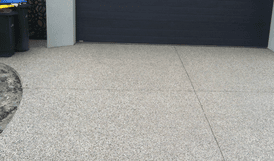
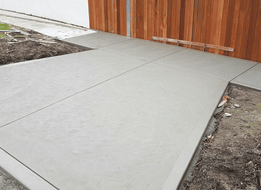
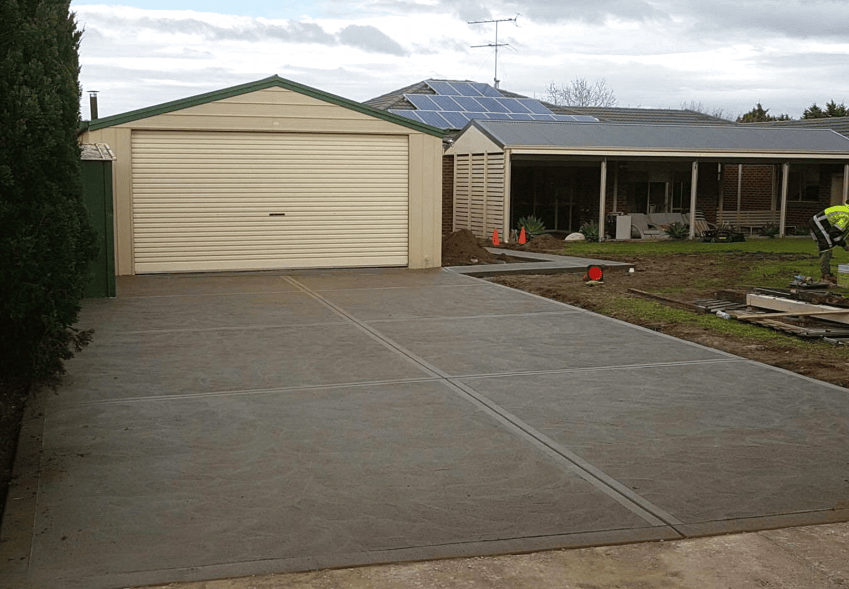
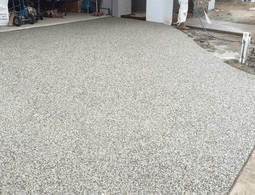
Concrete resurfacing is the process of applying a new layer of material over your existing concrete slab instead of tearing it out and starting over. We use a concrete overlay or polymer-modified topping to bond directly to the old surface, giving it a fresh, solid face. The result is a surface that looks new and performs well without the cost or disruption of full replacement.
Definition and How It Works
The process starts with surface preparation, which is the most important step. We use equipment like a shot blaster or planetary grinder to open up the concrete and create a profile that bonds properly with the new material. From there, we apply a bonding primer and then the overlay itself. Depending on your needs, that could be a stampable overlay, a spray-down texture coating, or a self-leveling underlayment for floor leveling. Materials from trusted manufacturers like Ardex, Mapei, or Surecrete hold up well in the humidity and salt air we deal with here along the Gulf Coast.
How Resurfacing Differs from Replacement
Full slab removal means jackhammers, haul-off costs, forming, pouring, and waiting on a 28-day cure period before the surface is ready for use. Driveway resurfacing or patio resurfacing through an overlay skips most of that. We work with what is already there. As long as the existing slab is structurally sound, we can handle crack filling, concrete repair, and surface renewal in a fraction of the time. For homeowners in Springhill, Midtown Mobile, or along the Cottage Hill Road area, that means less downtime and a lower overall concrete resurfacing cost.
What Surfaces Can Be Resurfaced
Most horizontal concrete surfaces are good candidates. We regularly resurface driveways, patios, pool decks, sidewalks, porches, and garage floors. Decorative concrete options like stamped concrete or an epoxy coating can be applied to both residential and commercial surfaces. If you want to repair a driveway on Government Street or refresh a pool deck near Dog River, the same core resurfacing techniques apply. The key factor is the condition of the slab underneath, which is exactly what we look at first during an on-site inspection.
Knowing what resurfacing is helps you recognize when it is time to use it. The next step is understanding what your concrete is actually telling you.
Signs Your Concrete Needs Resurfacing
After more than 10 years working on concrete surfaces across Mobile, AL, we have learned that most homeowners wait longer than they should before calling us. The Gulf Coast climate here is genuinely hard on concrete. Between the humidity, salt air blowing in off Mobile Bay, and the heavy rain cycles we get season after season, surface deterioration happens faster here than in drier parts of the country. The good news is that catching problems early usually means concrete repair or resurfacing can do the job without tearing anything out.
Cracks and Spalling
Hairline cracks are common and often start as a cosmetic issue, but left alone in our climate, water works its way in, and the freeze-thaw cycles we occasionally see in winter widen them over time. Spalling, where the surface flakes or chips away, is another sign that the top layer is breaking down. This is especially common on driveways and pool decks where moisture and surface salts work together to weaken the concrete from the top down. Crack filling combined with a proper overlay can stop that process before it reaches the slab itself.
Surface Staining and Discoloration
Oil stains on a driveway, rust marks from patio furniture, and mildew streaks on a pool deck are all things we see regularly in neighborhoods like Springhill and the Oakleigh Garden District. Sometimes staining is just cosmetic, but it can also signal that the existing sealer has worn through and the concrete is absorbing moisture and contaminants. Decorative concrete options like staining or a concrete overlay can cover those blemishes and give the surface a fresh, uniform look.
Worn or Pitted Texture
High-traffic areas like driveways along Cottage Hill Road or garage floors near busy commercial corridors tend to lose their surface texture over time. When that happens, you lose the slip resistance that was built into the original finish. A worn or pitted surface is also harder to clean and seal properly. Resurfacing with a spray-down texture coating or a fiber-reinforced overlay restores both the look and the function of the surface.
Uneven or Settled Sections
Mobile sits on alluvial soil and Mobile Bay marine clay in many areas, and both of these subgrade conditions can shift under a slab over time, especially after heavy rain events or when drainage is not moving water away properly. If you notice sections that have settled or created a lip where two panels meet, that is a tripping hazard and a drainage problem. Floor leveling with a self-leveling underlayment can correct minor elevation differences, though we always check whether the movement is ongoing before applying any new material.
When Resurfacing Is Not the Right Option
We want to be straightforward with you here. Cement resurfacing and overlay systems work well when the existing slab is structurally sound. If we find deep structural cracking, corroded rebar, major settlement from an unstable subbase, or widespread delamination, resurfacing will not hold. Applying a new surface over a compromised slab is one of the most common reasons overlays fail prematurely, and we would rather tell you that upfront than do work that will not last. In those cases, partial or full slab replacement is the honest recommendation. When the slab is solid, though, there are several resurfacing approaches we can match to your specific surface, traffic level, and goals.
A few years back, we took on a concrete resurfacing job for a homeowner over in west Mobile. The driveway was in rough shape, with cracks running through it and surface damage from years of heat and heavy rain. We were confident going in, but this one ended up teaching us a lot.
Right after we finished applying the resurfacing material, a summer storm rolled in off the Gulf. If you've lived in Mobile for any length of time, you know how fast the weather can turn here. What started as a clear morning became a downpour within the hour. The resurfacing compound needs time to cure properly, and water hitting it too soon can ruin the whole surface.
We acted fast. Our crew covered the driveway with tarps and set up a temporary shelter to keep the rain off as much as possible. We stayed on-site for hours making sure the coverings held and that water wasn't sneaking underneath. When the rain finally stopped, we checked the surface carefully. There were a few small sections along the edges that had been affected, so we came back the next day and reworked those spots.
The homeowner appreciated that we didn't try to cover up the problem or rush off the job. With over 20 years of combined experience pouring and finishing concrete, we've learned that doing things right matters more than doing them fast. That driveway still looks great today, and that family has sent a few of their neighbors our way since then.
Types of Concrete Resurfacing We Offer
We work with a range of resurfacing systems so we can match the right solution to your existing concrete, your budget, and how the surface gets used. Here is a look at what we offer and when each approach makes sense.
Bonding Overlays
A concrete overlay bonds directly to your existing slab, adding a fresh layer without the cost and waste of full removal. We typically use polymer-modified toppings or fiber-reinforced overlays at a minimum of 3/8 inch thickness to ensure durability. These materials are well suited to the humidity and moisture exposure common along the Gulf Coast. Concrete repair of any underlying cracks or spalling happens before the overlay goes down, so we are solving the problem rather than covering it up.
Stamped Concrete Overlays
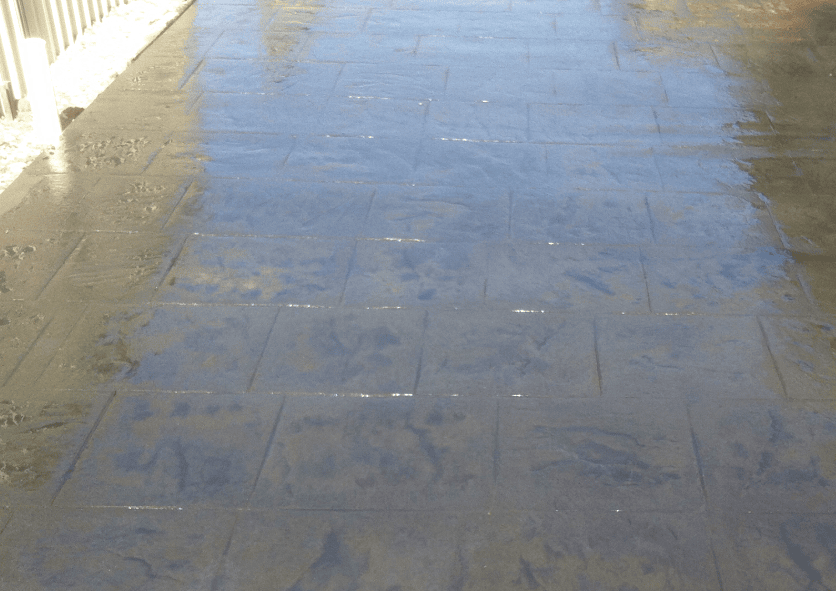
If you want the look of stone, brick, or tile without replacing your slab, a stampable overlay gives you that option. We use a stampable mix, press in the pattern while it is still workable, and finish it with color hardeners and sealers. Stamped concrete overlays work well on driveways, patios, and pool decks in neighborhoods like Springhill and the Oakleigh Garden District where curb appeal matters. The end result holds up to foot traffic, vehicle weight, and Mobile's wet summers.
Microtoppings
Microtoppings are thin, cement-based finish coats that go down at roughly 1/16 to 1/8 inch. They are popular for interior floors, covered patios, and pool surrounds where a clean, modern look is the goal. We source products from reliable manufacturers like Ardex and Surecrete, and we follow proper curing times so the finish does not crack or powder. Because they are so thin, surface preparation is especially critical here, which we cover in the next section.
Concrete Staining and Coloring
Staining is one of the more affordable ways to refresh a flat, featureless slab. We offer both acid-based staining and water-based options depending on the look you want and the condition of your existing surface. Decorative concrete treatments like these work on driveways, garage floors, and interior slabs throughout areas like Midtown Mobile and Cottage Hill. Color goes all the way into the surface rather than sitting on top, so it does not peel under normal conditions.
Textured and Slip-Resistant Coatings
Pool decks, exterior stairs, and ramps near Dog River or Mobile Bay can get dangerously slick when wet. We apply spray-down texture coatings and silica sand broadcast aggregate systems that add grip without making the surface hard to clean. An epoxy coating with an aggregate broadcast is a common choice for garage floors and light commercial spaces. These coatings also seal out moisture, which slows the surface deterioration that Mobile's humidity accelerates year after year.
Protective Sealers
Sealing is often the final step in concrete finishing, but it is also a standalone service for surfaces that are structurally sound but exposed. We use silane siloxane penetrating sealers for outdoor flatwork and acrylic or polyurethane sealers where a surface sheen or added protection is needed. Along the coast, salt air and moisture work into unsealed concrete quickly, so a quality sealer extends the life of any resurfacing work we do.
Each of these systems depends heavily on how well the concrete is prepared before anything is applied. That preparation is where most jobs succeed or fail, and it is the first thing we address when we walk through the resurfacing process.
The Concrete Resurfacing Process
When we take on a resurfacing project in Mobile, we follow a clear, step-by-step process. Each stage matters. Skipping or rushing any one of them is the main reason resurfacing jobs fail early. Here is what you can expect when we work on your property.
Surface Inspection and Preparation
We start by walking the surface with you and checking for soft spots, hollow areas, and any signs of drainage problems. In Mobile, the combination of Gulf Coast humidity exposure, saline groundwater, and soils like alluvial subbase beneath older neighborhoods can cause concrete to settle or deteriorate faster than in drier regions. We use an infrared moisture meter to check for trapped moisture, which can cause a new overlay to peel if it is not addressed first. We then profile the surface using a shot blaster or planetary grinder to reach a CSP 3-5 surface profile. This gives the new material something solid to bond to. Proper surface preparation is the single most important step in the entire process.
Crack Repair and Cleaning
Before anything goes down, visible cracks get treated. Depending on the width and depth, we use a polyurethane joint sealant or an epoxy bonding agent mixed to meet ASTM C881 standards. We also address any spalling or corroded areas so the repair holds long-term. After crack filling, we clean the slab thoroughly and apply a bonding primer, typically at a 10 mil coat, to help the overlay grip the existing concrete. Skipping this step is a common mistake that leads to delamination down the road.
Applying the Overlay or Coating
The right material depends on what you need. For a worn driveway on Cottage Hill Road or a weathered pool deck in Springhill, we might use a polymer-modified topping or a fiber-reinforced overlay. For garage floors or commercial surfaces, an epoxy coating or methyl methacrylate system gives you a durable, low-maintenance finish. A concrete overlay needs to go down at the right thickness, usually a minimum of 3/8 inch, and at the right temperature. We follow manufacturer specs closely, including application temperature and humidity thresholds, because those details affect how the material cures and bonds.
Finishing, Texturing, and Sealing
Once the overlay is applied, we move into concrete finishing. Depending on your goals, we can add texture with a squeegee gauge rake, broadcast silica sand aggregate for slip resistance, or press in patterns for stamped concrete designs. Decorative concrete options include color stains, microtoppings, and stampable overlays from trusted product lines like Butterfield Color or Surecrete. After the surface is finished, we apply a sealer suited to Mobile's coastal conditions. A silane siloxane penetrating sealer works well for exterior surfaces exposed to salt air and heavy rain near Mobile Bay.
Cure Time and When You Can Use the Surface Again
Cure time depends on the material used, the thickness of the overlay, and weather conditions at the time of application. Most overlays reach light foot traffic in 24 to 48 hours. Vehicle traffic typically takes longer. We give you a clear timeline before we start so there are no surprises. Rushing the cure weakens the surface, which is why we do not cut corners on this step even when schedules are tight.
Every surface type has its own demands, and that includes everything from driveways and patios to pool decks and garage floors. The materials and methods we just described apply differently depending on where the concrete is and how it gets used, which is exactly what we cover next in resurfacing for specific surfaces in Mobile.
Resurfacing for Specific Surfaces in Mobile
Not every concrete surface has the same demands. A driveway takes a different kind of punishment than a pool deck, and a garage floor has different needs than a front porch. Over our 10-plus years working in Mobile, we have resurfaced just about every type of concrete surface there is, and we know how the local climate plays into each one.
Driveway Resurfacing
Your driveway takes constant stress from vehicle weight, oil, and Mobile's frequent rain cycles. When we see cracking or surface wear on a driveway in areas like Springhill or along the Cottage Hill Road corridor, we typically begin with thorough surface preparation using a shot blaster or planetary grinder to open the pores and create a solid bond profile. From there, a polymer-modified topping or fiber-reinforced overlay gives you a durable, refreshed surface without tearing out the old slab. We can also apply a stamped concrete finish or texture coat if you want to update the look at the same time. Driveway resurfacing is almost always more practical and affordable than a full replacement.
Patio and Porch Resurfacing
Patios and porches in Mobile deal with UV exposure, high humidity, and the kind of moisture swings that come with living close to Mobile Bay. Spalling, staining, and surface erosion are common problems we see on older slabs in neighborhoods like the Oakleigh Garden District and Midtown Mobile. A concrete overlay or microtopping can restore a worn patio and open the door to decorative options like stamped concrete patterns or color stains. We pay close attention to slope on these surfaces as well, making sure water drains away at roughly 1/4 inch per foot rather than pooling against your home's foundation.
Pool Deck Resurfacing
Pool decks present a unique set of challenges. They need to handle constant moisture, pool chemicals, bare feet, and intense sun. A spray-down texture coating or a silica sand broadcast aggregate finish gives you the slip resistance you need while standing up to those conditions. We also apply a silane siloxane penetrating sealer to help block moisture intrusion, which matters a lot in coastal Mobile where saline groundwater and Gulf Coast humidity exposure accelerate surface breakdown. Concrete repair of any existing cracks is handled before the overlay goes down so problems do not reappear through the new surface.
Garage Floor Resurfacing
Garage floors take oil, chemical spills, tire scuffing, and heavy loads on a regular basis. An epoxy coating or a methyl methacrylate system gives you a hard, cleanable surface that holds up under that kind of use. Before we apply anything, we use an infrared moisture meter to check the slab's moisture content, because bonding failures on garage floors almost always trace back to moisture that was not properly tested beforehand. We also fill control joints with a polyurethane joint sealant to keep water and debris from working their way underneath the new surface.
Sidewalk and Walkway Resurfacing
Settled, uneven sidewalks are a trip hazard and an eyesore. We handle crack filling, floor leveling where needed, and a fresh concrete overlay to bring the surface back to a safe, even condition. For walkways that see a lot of foot traffic, a textured finish improves grip in wet conditions, which is a real consideration here in Mobile where rain is a near-daily reality for much of the year. If your walkway runs near the street or connects to city property, we can also help you understand any requirements from the City of Mobile Public Works Department before work begins.
Commercial Surface Resurfacing
Commercial properties near Downtown Mobile, around the Mobile Convention Center area, or along Airport Boulevard often have large floor areas that cannot be shut down for long. We plan our work to minimize your downtime, staging sections and using fast-setting materials where the schedule demands it. Floor resurfacing for commercial spaces often involves self-leveling underlayment for large uneven areas, followed by an epoxy or decorative concrete finish suited to your traffic levels. We carry the proper insurance and bonding that commercial property managers and building owners need to see before work starts.
Each of these surfaces shares one thing in common: the way Mobile's coastal environment affects concrete over time. That connection between local weather and surface durability is worth understanding in more detail.
Your Local Mobile Concrete Contractor
We are a licensed and insured concrete contractor based right here in Mobile, AL. Our team has over 20 years of combined experience pouring and finishing concrete, and we have spent more than 10 years working specifically in the Mobile area. That means we know this region well, the soil conditions, the humidity, the coastal weather, and the local codes that affect how concrete work gets done here.
When you hire us, you are working directly with experienced tradespeople who have handled concrete projects of all sizes across Mobile County. We have poured driveways in Midtown, built patios in West Mobile, installed commercial slabs in the Port City area, and completed foundation work throughout the surrounding communities. This is our home too, and we take the quality of our work seriously because of that.
Concrete is not a forgiving material. If the subbase is not compacted properly, if the mix is wrong for the conditions, or if the joints are not placed correctly, you will see problems within a few years. Mobile's high humidity, heavy rainfall, and clay-heavy soils make those details even more important. We have seen what happens when those steps get skipped, and we do not skip them.
We carry full licensing and insurance so you are protected throughout the project. We also help you navigate permits and inspections when your project requires them, which takes that burden off your plate. Whether you are planning a new driveway, need a cracked slab repaired, or want to explore stamped or decorative options, we are straightforward with you about what the work involves, how long it will take, and what it will cost.
We offer free on-site estimates so we can look at your specific conditions before we give you a number. Concrete projects vary a lot depending on the site, and an honest estimate needs to account for your actual ground, your actual layout, and your actual goals.
Why Gulf Coast Weather Makes Resurfacing Important
Mobile sits in one of the most demanding climates for concrete in the country. Between the heat, humidity, salt air off Mobile Bay, and seasonal storms, concrete surfaces here take a beating that most inland areas simply do not see. After more than 10 years working concrete jobs across Mobile and surrounding areas like Semmes, Saraland, and Tillmans Corner, we have seen firsthand how fast surfaces deteriorate without the right protection.
How Humidity and Heat Break Down Concrete Over Time
Mobile averages over 65 inches of rainfall a year, and summer humidity regularly pushes past the 50% relative humidity threshold that already stresses concrete surfaces. Water works its way into small pores and surface cracks, then expands and contracts with temperature changes. Over time, this cycle loosens the surface layer, leading to spalling and cracking that goes deeper with every passing season. The alluvial soil and high water table common throughout the Mobile area also shift beneath slabs, creating uneven pressure from below that speeds up surface wear.
Salt Air and Moisture Damage Near the Coast
Properties closer to Mobile Bay, Dog River, and Fowl River deal with a particular problem: salt-laden air. Salt penetrates concrete and attacks the steel reinforcement inside, causing rust and expansion that pushes the surface apart from within. This is one reason concrete repair and resurfacing calls come in so regularly from neighborhoods like Midtown Mobile, Springhill, and the Oakleigh Garden District. A quality silane siloxane penetrating sealer or polymer-modified overlay creates a barrier that keeps salt and moisture from reaching the concrete's core.
UV Exposure and Surface Fading
South Alabama gets intense sun most of the year. UV rays break down untreated and lightly sealed surfaces, fading color, drying out the paste layer, and making concrete brittle at the top. Decorative concrete finishes, including stamped concrete and stained surfaces, are especially vulnerable without a UV-stable topcoat. We use products rated for Gulf Coast humidity exposure to keep color and texture looking consistent over the long term.
How Resurfacing Protects Against Mobile's Weather Conditions
A properly applied concrete overlay does more than cover surface damage. It seals out water, resists salt intrusion, and gives you a fresh layer built to handle what Mobile's weather throws at it. Surface preparation is the foundation of this protection. We follow ICRI CSP 3-5 profile standards using equipment like a shot blaster or planetary grinder to make sure the new material bonds tightly and does not peel or delaminate over time. Done right, resurfacing extends the life of your existing slab significantly and holds up through heat, rain, and storm seasons.
That durability does raise a fair question most property owners eventually ask: when does resurfacing make sense, and when does full replacement actually become the better option?
Resurfacing vs. Replacement
When your driveway, patio, or pool deck starts showing cracks, spalling, or worn spots, the first question most homeowners ask is whether to resurface or tear it all out and start over. We get this question a lot, and after more than 20 years of pouring and finishing concrete across Mobile, AL, our answer is usually the same: if the slab underneath is structurally sound, resurfacing is almost always the smarter path. Here is a straightforward look at how the two options compare.
Cost Comparison
Full slab replacement means demo, haul-off, new forming, fresh concrete, and finishing. Those costs add up fast. A concrete overlay or cement resurfacing treatment applied over an existing slab typically costs a fraction of that. You are not paying for demolition labor, dump fees, or the volume of new material a full pour requires. For most residential surfaces in neighborhoods like Springhill, Cottage Hill, or the Oakleigh Garden District, resurfacing can deliver a clean, durable result without the budget hit of replacement.
Time and Disruption Comparison
Tearing out a slab and pouring new concrete can take several days, plus curing time before you can use the surface again. Resurfacing moves much faster. Depending on the product, a polymer-modified topping or decorative concrete finish can often be applied and ready for light foot traffic within 24 to 48 hours. We manage scheduling carefully to keep your driveway or patio out of commission for as short a time as possible.
Environmental Impact
Concrete demolition produces a significant amount of waste material. Broken slab pieces have to go somewhere, and the process burns fuel and generates dust. Resurfacing skips all of that. You are reusing the existing slab, using far less raw material, and keeping debris out of the waste stream. For homeowners near Dog River or Fowl River who are mindful of local environmental conditions, that matters.
Which Option Is Right for Your Situation
Resurfacing works well when the underlying slab has good structural integrity. We check for deep structural cracking, corroded rebar, significant settling caused by Mobile Bay marine clay or expansive subgrade soils, and drainage problems before recommending any approach. If the slab has heaved badly, has rebar failure, or is too far gone to hold a proper bond, replacement may be the responsible call. We use an infrared moisture meter and perform bond tests following ASTM C1583 to make that call accurately. Crack filling and surface preparation are also factored in, since underlying issues need to be addressed before any resurfacing product goes down. If your slab passes those checks, resurfacing is almost certainly the more practical choice.
Once you decide resurfacing fits your situation, the next natural question is what it will actually cost for your specific project in Mobile.
Cost of Concrete Resurfacing in Mobile, AL
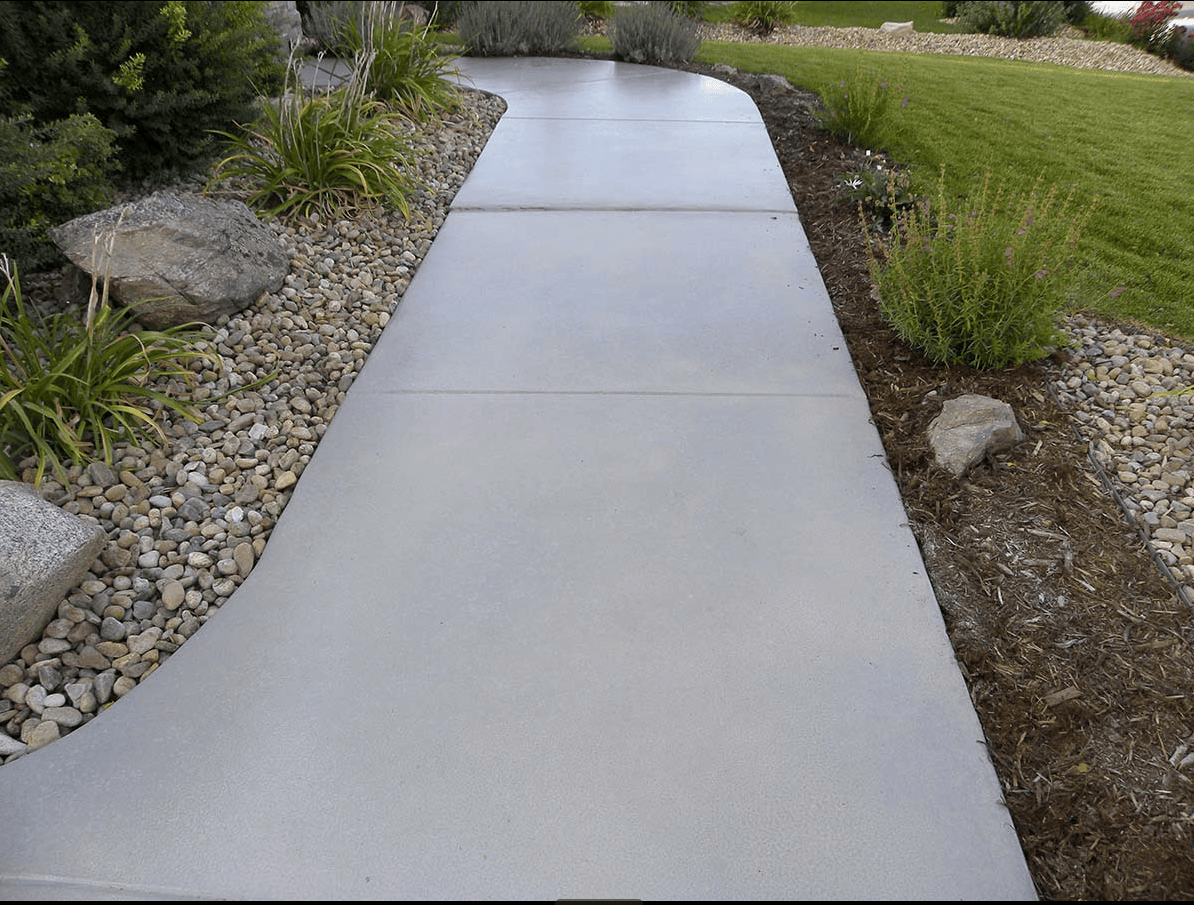
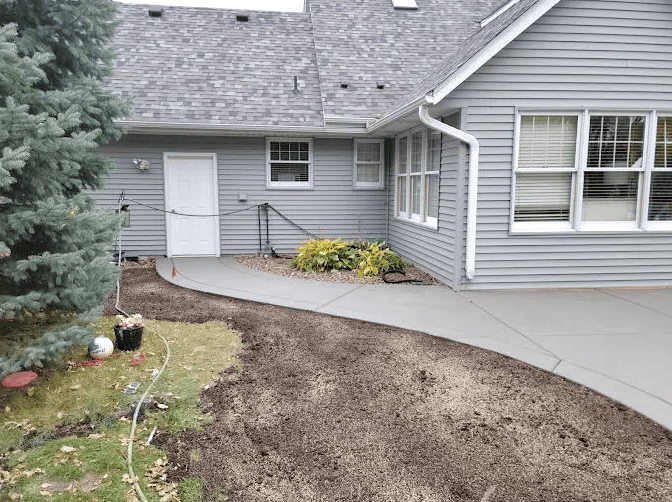
If you're trying to figure out what concrete resurfacing will cost you in Mobile, the honest answer is that it depends on several things specific to your project. We've worked on driveways off Cottage Hill Road, patios in Springhill, and pool decks near Dog River, and no two jobs are priced exactly the same. That said, we can walk you through the main factors that move the number up or down, and give you a realistic idea of what most homeowners and property owners in this area spend.
What Affects the Price
The biggest cost drivers start with surface preparation. Before any concrete overlay or coating goes down, the existing surface has to be cleaned, profiled, and tested for moisture. In Mobile, our high water table and Gulf Coast humidity exposure mean we regularly use an infrared moisture meter before we ever open a bag of material. If moisture levels are too high, we have to address that first. Skipping that step leads to peeling and delamination down the road.
Other factors that affect price include the size of the area, the condition of the existing slab, the type of finish you want, and how much crack filling or concrete repair is needed before we resurface. A basic driveway resurfacing with a spray-down texture coating costs less than a stamped concrete overlay or a decorative epoxy coating on a garage floor. The materials matter too. Polymer-modified toppings, fiber-reinforced overlays, and bonding primers from brands like Ardex, Mapei, or Sika carry different price points than basic cement-based products.
Floor leveling adds cost as well. If your slab has settled or shifted, which is common on Mobile Bay-area properties built on alluvial soil or Mobile Bay marine clay, we may need a self-leveling underlayment to bring the surface back to a proper slope before we apply any finish layer.
Typical Price Ranges for Common Projects
For a standard floor resurfacing or basic overlay on a driveway or patio, most jobs in the Mobile area run somewhere between $3 and $7 per square foot. Decorative concrete finishes like stamped overlays, microtoppings, or decorative epoxy systems typically fall in the $6 to $15 per square foot range depending on the complexity of the design and the number of coats involved. If significant concrete repair or floor leveling is needed before the finish work, that will add to the total.
To put that in everyday terms, a two-car driveway that needs basic resurfacing might cost between $1,200 and $2,800. A decorative patio project with a stampable overlay could run $2,500 to $6,000 or more depending on square footage and finish details. These are general ranges, not fixed quotes, and actual concrete resurfacing cost for your project will depend on a site visit.
How to Get an Accurate Quote
The only way to give you a number you can actually rely on is to look at the surface in person. We'll check the condition of the slab, note any cracks or spalling, evaluate drainage and slope, and talk through what finish makes sense for your situation. If you're in Semmes, Tillmans Corner, or closer to Downtown Mobile, we can usually schedule an on-site visit without a long wait.
When you're comparing quotes from different contractors, make sure each one spells out what's included, specifically the surface preparation method, the materials being used, the number of coats, and whether concrete repair is part of the scope. A low bid that leaves out prep work or uses lower-grade materials often ends up costing more when the job fails early. Understanding the full scope of work is the best way to compare apples to apples before you decide who to hire.
Once you have a clear picture of the cost and what's involved, the next step is knowing who you're trusting to do the work right the first time.
Why Choose Us for Concrete Resurfacing in Mobile
Our Experience and Local Knowledge
We have over 20 years of combined experience pouring and finishing concrete, and more than 10 of those years have been spent working right here in Mobile. That matters because concrete behaves differently along the Gulf Coast than it does inland. Gulf Coast humidity exposure, salt air off Mobile Bay, and the area's high water table all work against concrete surfaces faster than most people expect. We know how to select the right materials for those conditions, whether that means a polymer-modified topping, a fiber-reinforced overlay, or a silane siloxane penetrating sealer that holds up against moisture year after year. From Springhill driveways to pool decks near Dog River, we have seen what the local climate does to concrete and we plan our work around it.
Licensing, Insurance, and Workmanship
We carry full licensing and insurance, so you are protected if anything unexpected comes up on the job. Our crews follow standards including ACI 546R and ICRI 310.2R for concrete repair and surface restoration. We also follow ASTM D4259 for surface preparation, which is one of the most important factors in whether a concrete overlay or epoxy coating lasts five years or fifteen. We use an infrared moisture meter to test slabs before applying any coating, and we match materials to your specific surface profile using ICRI CSP guidelines. When we quote a job, we are not guessing. We are applying tested methods to your specific situation. The City of Mobile Building Permits Office and Mobile County Building Inspections set requirements we know well, which helps you avoid delays or rework tied to local code.
Our Process for Scoping and Quoting Your Project
We start with an on-site visit to assess your existing concrete. We look at crack patterns, spalling, drainage slope, and whether there are any underlying issues that need to be addressed before resurfacing techniques or decorative finishes go down. From there, we put together a written scope of work that covers materials, prep steps, concrete resurfacing cost, and a realistic timeline. You will know what we are doing, why we are doing it, and what to expect when the job is done. There are no vague estimates or surprise add-ons after work begins. That straightforward approach is how we have built our reputation across neighborhoods like Midtown Mobile, Semmes, and Tillmans Corner over the past decade.
Ready to Get Started with Concrete Resurfacing in Mobile, AL
A Quick Look at What You Get
When your driveway, patio, or pool deck starts showing cracks, stains, or worn spots, resurfacing is almost always the smarter move before things get worse. We have spent over 10 years working on concrete surfaces across Mobile, from Springhill and the Oakleigh Garden District to Semmes and Tillmans Corner. That time on the ground here means we understand what Gulf Coast humidity, salt air off Mobile Bay, and our local soil conditions do to concrete over time.
Here is a summary of what you can expect when you work with us:
- Lower cost than tearing out and replacing the full slab
- Faster turnaround with less disruption to your home or business
- Proper surface preparation using professional-grade equipment so your new surface bonds correctly and lasts
- Honest concrete repair of underlying cracks and damage before anything is applied on top
- Material choices built for our coastal climate, including polymer-modified overlays, silane siloxane penetrating sealers, and fiber-reinforced systems where needed
- Decorative options like stamped concrete, stain, or a concrete overlay that can match your home's style
- Slip-resistant textures for pool decks, porches, and walkways
- Protection against moisture, UV, and the wear that comes with Alabama weather
- Work backed by licensing, insurance, and a warranty you can count on
- Knowledge of local permit requirements through the City of Mobile Building Permits Office so there are no surprises
Your Next Step as a Mobile Homeowner
Whether you are dealing with a cracked driveway off Cottage Hill Road, a worn pool deck in Dawes, or a patio that needs a fresh finish near Dog River, we are ready to take a look. We will come out, inspect the surface, and give you a clear scope of work along with a straightforward concrete resurfacing cost estimate. No guesswork, no pressure. Use the form below or give us a call to get your free quote today.
Mobile AL Concrete
202 Congress St
Mobile, AL 36603
Business Hours
| Mon | 8:00 AM – 7:00 PM |
| Tue | 8:00 AM – 7:00 PM |
| Wed | 8:00 AM – 7:00 PM |
| Thu | 8:00 AM – 7:00 PM |
| Fri | 8:00 AM – 7:00 PM |
| Sat | 10:00 AM – 6:00 PM |