Concrete Repair in Mobile
Concrete Repair That Lasts in Mobile, AL
We serve Mobile, AL and surrounding areas for concrete repair
We provide concrete repair services throughout Mobile, AL and the surrounding communities, including Spring Hill, Semmes, Tillmans Corner, Eight Mile, Midtown Mobile, and the Oakleigh Garden District. Whether you are just off Cottage Hill Road, near Airport Boulevard, or out toward Daphne Road Corridor, we can get to you. We schedule repairs promptly and can typically get eyes on your project within a few days of your call.
Common concrete problems homeowners face in Mobile
If you are dealing with a cracked driveway, a sunken patio slab, or spalling around your pool deck, you are not alone. These are some of the most common calls we get from homeowners across Mobile County. Cracks left untreated allow water to work its way in, which weakens the slab from beneath and can make a manageable repair turn into a full replacement. Concrete patching and crack sealing done early can stop that cycle before it gets expensive. Addressing concrete issues at the first sign of damage is always the smarter move, and it is something we help homeowners think through every day.
Beyond the surface, some of the damage we see points to deeper problems. Uneven slabs, widening joints, and recurring cracks often trace back to soil movement beneath the concrete rather than the slab itself. That is where a proper diagnosis matters. We look at what is actually causing the problem before we recommend a repair method, whether that is slab lifting with polyurethane foam, epoxy injection for structural cracks, a concrete overlay to restore a worn surface, or waterproofing concrete to stop moisture from getting in at all.
Why local knowledge matters for concrete repair in Mobile
Mobile sits on coastal plain geology with a mix of marine clay, expansive clay, and soft soils near waterways like Dog River, Three Mile Creek, and Mobile Bay. Those soil conditions shift with moisture, and Mobile gets plenty of it. That movement is one of the main reasons we see so much settlement and rising concrete in neighborhoods like Bellingrath Hills, Stone Creek, and Hollingers Island. On top of that, the salt air coming off the Gulf accelerates corrosion of the steel reinforcement inside your slabs. We factor all of this into every repair plan. With over 20 years of combined experience pouring concrete and more than 10 years working specifically in Mobile, we understand what it takes for concrete restoration and concrete resurfacing to hold up in this climate. We follow standards like ACI 546R and ICRI 310.2R and use materials such as polymer-modified mortar and penetrating sealers that are suited for our coastal conditions. That local experience shapes how we approach every job.
Frequently asked questions about concrete repair in Mobile, AL
How do I know if my concrete can be repaired or needs to be replaced?
In most cases, concrete can be repaired rather than replaced, especially when the damage is caught early. We assess the extent of cracking, the condition of the slab underneath, and whether there is active settlement before making a recommendation. Surface repairs, joint repair, and concrete maintenance treatments often add years to a slab that looks like it is past its prime.
Does concrete repair require a permit in Mobile?
It depends on the scope of the work. Minor patching typically does not require a permit, but foundation repair or structural work may need to be reviewed by the City of Mobile Building Inspections Department. We handle that process and make sure any work we do meets local code requirements.
How long will the repair last?
A properly done repair using the right materials and surface preparation can last many years. We follow guidelines like ASTM C928 for rapid-setting materials and use bonding agents that meet ASTM C881 standards. Cutting corners on prep or materials is what causes most repairs to fail early, and that is not how we work.
What causes concrete to sink or become uneven?
In Mobile, it is usually soil-related. The high water table, poor drainage, and the expansive clay common in our area cause the ground beneath slabs to shift over time. We use slab lifting techniques including polyurethane foam injection to stabilize and raise sunken sections without tearing out the existing concrete.
If any of this sounds familiar, keep reading. In the next section, we walk through the specific types of concrete repair we handle so you can get a better sense of what fits your situation.
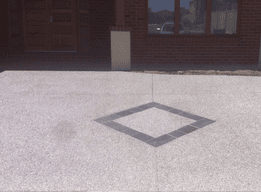
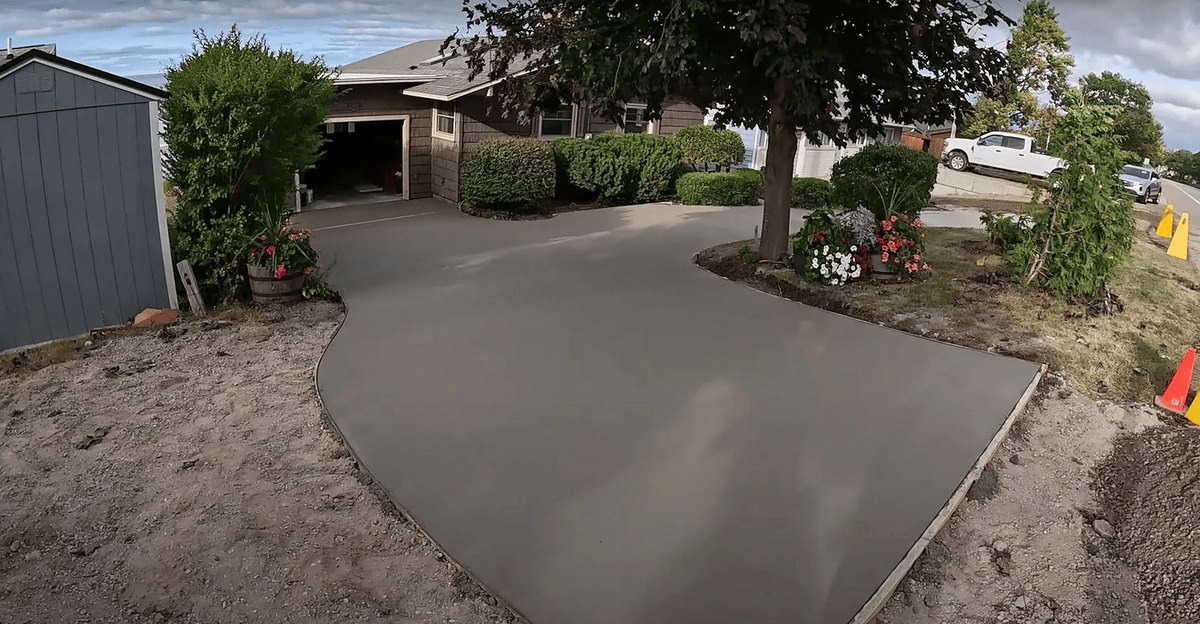
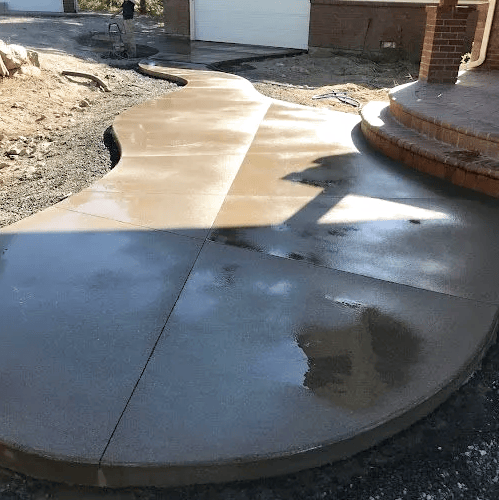
Types of Concrete Repair We Handle
We have been working with concrete in Mobile, AL for over 10 years, and in that time we have seen just about every type of damage that our coastal climate can throw at a slab. Between the high humidity, salt air rolling in off Mobile Bay, and the expansive clay soils common throughout the area, concrete here takes a beating that flat-out does not compare to drier inland markets. The good news is that most damage can be fixed without tearing everything out and starting over. Below is a breakdown of the specific repair work we handle every day.
Cracked Concrete Driveways, Sidewalks, and Patios
Cracks are the most common call we get, whether the property is in Spring Hill, Semmes, or the Oakleigh Garden District. Small cracks let water in, water works its way under the slab, and the problem grows from there. We evaluate each crack to figure out whether it is a surface issue or a sign of movement below. Depending on what we find, the fix might involve crack sealing, epoxy injection, or cutting the area back to sound concrete and patching it properly. Joint repair is also part of this work, since failed control joints are a frequent entry point for water and weeds.
Spalling and Surface Deterioration
Spalling is what happens when the surface of concrete starts flaking, pitting, or breaking apart. In Mobile, this often comes down to chloride exposure from our coastal environment corroding the steel reinforcement inside the slab. Once that rebar starts to rust and expand, it pops the concrete off from the inside out. We remove all deteriorated material down to a sound base, treat any exposed steel with a corrosion inhibitor, and apply a polymer-modified mortar or concrete overlay that bonds correctly and holds up. Skipping proper surface preparation here is exactly what causes patches to fail within a season or two.
Foundation Crack Repair and Settlement Damage
Foundation cracks are not something to put off. Whether you are dealing with a poured wall or a slab foundation, cracks can allow water intrusion, compromise structural integrity, and get worse over time. Mobile's high water table and soft organic soils in low-lying areas near Dog River or Three Mile Creek make settlement-related damage more common here than in many other parts of the state. We diagnose the root cause before we do anything, because patching over a moving foundation without addressing what is driving the movement is a short-term fix at best. Foundation repair often involves epoxy injection resin or polyurethane grout, depending on whether the crack is active or dormant.
Sunken or Uneven Slab Repair
When a slab sinks or tilts, it creates trip hazards and drainage problems. We get calls about this regularly from properties along Cottage Hill Road, out in Tillmans Corner, and in older neighborhoods where the subgrade has shifted over the years. Depending on the situation, we can lift and stabilize the slab using polyurethane foam or traditional mudjacking rather than replacing the entire section. Slab lifting is often faster and less disruptive than a full pour, and it corrects the grade so water drains the way it should. We assess each job to determine which approach makes sense structurally and economically.
Pool Deck Repair and Restoration
Pool decks take constant abuse from water, pool chemicals, bare feet, and the Mobile sun. Over time, that adds up to cracks, uneven sections, and a worn-out surface that looks rough and creates safety concerns. We handle concrete resurfacing and surface repairs on pool decks, including restoring stamped or decorative finishes that have faded or chipped. Waterproofing concrete around pool areas is also something we address directly, since moisture moving through a deck slab can undermine the surrounding area and cause ongoing problems.
Garage Slab Repair
Garage slabs deal with oil, chemicals, heavy vehicle weight, and temperature swings that wear down the surface and open up cracks over time. We handle everything from basic concrete patching on isolated problem spots to full concrete restoration of slabs that have seen years of neglect. Surface grinding, crack repair, and application of a protective coating are all part of what we do to get a garage floor back into solid, functional shape. Getting this right depends on the repair methods we choose and how well they match the actual condition of the slab, which is exactly what the next section covers.
Concrete Repair Methods We Use
With over 20 years of combined experience pouring concrete and more than 10 years working throughout Mobile, we have used just about every repair method available. The right approach depends on what caused the damage, how deep it goes, and what the surface needs to do going forward. Here is a look at what we use and why.
Patching and Resurfacing with Overlays and Skim Coats
Concrete patching and resurfacing are two of the most common repairs we handle, from driveways off Cottage Hill Road to pool decks in Spring Hill. For shallow surface damage, a skim coat or concrete overlay bonds directly to the existing slab and restores a flat, clean surface. We use polymer-modified mortar and cementitious overlays that meet ASTM C928 standards, which means the material bonds properly and holds up under traffic and weather. Before we apply anything, we profile the surface to at least a Class IV surface profile per ICRI guidelines and apply an acrylic bonding agent so the repair does not delaminate later. For deeper damage, we cut out the deteriorated area to a minimum quarter-inch repair depth, clean it thoroughly, and pack it with a compatible repair material. Concrete resurfacing done this way lasts far longer than a basic patch thrown over an unprepared surface.
Mudjacking to Lift Sunken Slabs
When a slab sinks, it usually means the soil underneath has shifted, washed out, or compressed. In Mobile, our coastal soils, including areas near Dog River and along the Fowl River flood plain, can be soft and saturated. Mudjacking is a method where we drill small holes in the slab and pump a cement-based slurry beneath it to fill voids and raise the concrete back to grade. It is a reliable, cost-effective option for driveways, sidewalks, and patio slabs that have settled but are otherwise structurally sound. Slab lifting through mudjacking avoids a full replacement and gets the surface back to a safe, even level.
Polyurethane Foam Lifting
Polyurethane foam lifting works on the same principle as mudjacking but uses an expanding two-part foam injected through small drilled holes. The foam expands quickly to fill voids, stabilize the subgrade, and lift the slab. It is lighter than the cement slurry used in mudjacking, which makes it a better choice when the soil beneath is soft or when load on the subgrade is a concern. Rising concrete that has been lifted with polyurethane foam can typically be walked on within an hour. We use it on garage slabs, pool decks, and sidewalks where a faster return to service matters. The material also resists water absorption, which helps in areas with Mobile's high groundwater table.
Crack Injection and Sealing
Not all cracks are the same, and how we repair them depends on whether they are structural or non-structural, active or dormant. For structural cracks, we use epoxy injection with a resin that meets ASTM C881, which restores the tensile strength of the concrete across the crack plane. For non-structural cracks and control joints, crack sealing with polyurethane grout or a flexible sealant keeps water out and prevents the crack from widening. We use an injection pump to deliver material at the right pressure so it fully penetrates the crack rather than just coating the surface. In Mobile's humid, salt-air environment, an unsealed crack lets moisture reach the rebar inside, which accelerates corrosion faster than most people expect. Sealing cracks early is one of the most effective parts of any long-term concrete maintenance plan.
Decorative Concrete Restoration for Stamped, Stained, and Colored Finishes
Concrete restoration for decorative surfaces takes a different approach than standard structural repairs. Stamped, stained, and colored concrete around pool decks, patios, and entryways can fade, chip, or lose their texture over time. We repair the underlying surface first, then match the texture, color, and finish as closely as possible using compatible overlays and penetrating sealers. If the sealer has worn off, reapplying it protects the decorative layer from UV exposure, moisture, and the salt air common near Mobile Bay. We do not rush this work because mismatched color or poorly applied texture stands out and reduces the value of the surface.
Each of these methods addresses a specific type of damage, and using the right one matters as much as the quality of the materials and workmanship. That brings us to why getting repairs right the first time is especially important here in Mobile.
A few years back, we got a call from a homeowner over in west Mobile whose driveway had seen better days. The concrete had been cracking and sinking for a while, and after one of our typical Gulf Coast summers with all that heat and rain, a section had dropped nearly three inches on one side. The homeowner had already gotten a couple of other opinions, and both contractors told her the whole driveway needed to come out and be replaced. That would have cost her a lot of money she was not looking to spend.
When we came out to take a look, we could see what was actually going on. The soil underneath had washed out over time, mostly from water running off the roof and pooling along the edge of the driveway. The concrete itself was still in reasonable shape in most areas, but without that solid base, it had no choice but to shift and crack. Tearing it all out would have been the easy call, but it was not the right one for this situation.
We decided to go with a slabjacking approach combined with targeted concrete repair on the damaged sections. The tricky part came when we started the lift. About halfway through, we realized the void beneath the slab was bigger than our initial assessment showed. If we had pushed too much material in too fast, we risked cracking the slab further or creating an uneven rise. So we slowed the process way down, working in careful stages and checking our levels constantly. It took us longer than we originally planned, but we got the slab back to where it needed to be without any new damage.
After the lift, we patched and sealed the cracks, then helped the homeowner figure out a better drainage solution along that side of the driveway so the same thing would not happen again. The whole job came in well under the cost of a full replacement, and the driveway has held up solid ever since. That kind of job is a good reminder that with over 20 years of combined experience pouring and repairing concrete, and more than a decade working right here in Mobile, we have learned to slow down and read a situation before we start making big decisions.
Why Concrete Repair Matters in Mobile, AL
We have spent over 10 years working on concrete across Mobile, and one thing stands out above everything else: the local environment is hard on concrete. Between the humidity, the rainfall, the coastal air, and the soil conditions under your feet, concrete here takes a beating that you simply do not see in drier parts of the country. Understanding why that happens is the first step toward getting repairs that actually hold up.
How Mobile's Coastal Climate Damages Concrete Over Time
Mobile sits close to Mobile Bay and the Gulf Coast, which means concrete surfaces here are constantly exposed to moisture and salt-laden air. That combination speeds up concrete restoration needs faster than most homeowners expect. Over time, moisture works its way into small pores and surface cracks. When temperatures shift, that moisture expands and contracts, widening those cracks season after season. Waterproofing concrete early in a surface's life can slow this process significantly, but once deterioration starts, it does not stop on its own.
Soil Conditions and How They Cause Settlement and Cracking
Much of Mobile sits on coastal plain geology with marine clay and soft organic soils beneath the surface. These soils shift, compress, and expand depending on moisture levels. After a dry stretch, the ground shrinks. After heavy rain, it swells. That constant movement puts stress on slabs from underneath. Slab lifting and rising concrete are common results, and so are uneven joints and structural cracks that go deeper than the surface. Polyurethane foam and mudjacking are two methods we use to stabilize slabs affected by this kind of soil movement, and both address the underlying support problem rather than just the visible damage.
Heavy Rainfall, Drainage Problems, and Concrete Deterioration
Mobile receives around 67 inches of rain per year, which is one of the highest averages in the country. When water does not drain away from a slab properly, it pools, saturates the subgrade, and works its way into any crack or open joint it can find. Poor drainage is one of the most common root causes we diagnose when doing surface repairs on driveways and patios across neighborhoods like Spring Hill and Midtown Mobile. Without correcting the drainage issue alongside the concrete work, the same damage tends to come back within a few years.
Salt Air and Rebar Corrosion in Coastal Environments
Closer to Mobile Bay and Dog River, salt air is a real and ongoing threat to reinforced concrete. Chloride ions from coastal air penetrate the surface over time and reach the steel rebar inside. Once chloride levels exceed roughly 0.2% by weight of cement at the rebar depth, corrosion begins. Corroding rebar expands as it rusts, cracking the concrete around it from the inside out. This is called spalling, and it is one of the more serious repair situations we handle. Crack sealing, epoxy injection, and the application of penetrating sealers and corrosion inhibitors are all tools we use to address this before it leads to larger structural problems. Left alone, rebar corrosion does not just affect appearance. It affects the structural integrity of the slab itself, which brings us to why timely repairs matter for safety.
Safety and Structural Benefits of Repairing Concrete
When concrete starts to crack, settle, or spall, it is easy to put repairs on the back burner. But here in Mobile, where high humidity, heavy rain, and salt air from Mobile Bay work against concrete year-round, small problems tend to grow fast. We have seen it happen across neighborhoods from Spring Hill to Tillmans Corner and out into Semmes. What starts as a hairline crack can become a safety issue or a structural concern before a homeowner realizes it. Understanding what is actually at stake helps you make a smarter decision about timing your repair.
Eliminating Trip Hazards for Residents and Visitors
Uneven or heaved concrete is one of the most common causes of trip-and-fall injuries on residential and commercial properties. A slab edge raised even half an inch can catch a foot. We use slab lifting methods like polyurethane foam injection to bring sunken sections back to grade, which removes the height difference without tearing out the slab entirely. For sections that have broken apart or spalled badly, concrete patching and surface repairs restore a flat, stable walking surface. Whether it is a driveway off Cottage Hill Road or a pool deck in one of the Bellingrath Hills subdivisions, correcting the elevation protects the people who use that surface every day.
Preventing Water Intrusion and Moisture Damage
Mobile sits on coastal flood plain soils, including marine clay and alluvial deposits, that shift with moisture. When cracks open up in a slab or foundation, water follows. Once water gets underneath or inside your concrete, it softens the subgrade, corrodes embedded rebar, and expands the crack further. Waterproofing concrete and crack sealing are not cosmetic steps. They are how you keep water out of places it should never reach. We use materials like epoxy injection resin and polyurethane grout depending on the crack type and whether it is active or dormant. For broader surface protection, penetrating sealers and crystalline waterproofing admixtures give long-term resistance to the moisture that Mobile's climate constantly delivers.
Stopping Crack Growth Before It Becomes a Bigger Problem
Cracks do not stay the same size. Traffic loads, thermal movement, and seasonal soil shifts all work on existing cracks and make them wider and longer over time. Epoxy injection is one of the most effective ways to stop that progression in structural concrete because it bonds both faces of the crack back together and restores load transfer. For slabs where joint movement is the issue, joint repair with a flexible sealant keeps the joint from becoming a water channel or a spalling edge. Addressing these things early through proper concrete maintenance is almost always less expensive than foundation repair or full slab replacement later.
Meeting Code, ADA, and Insurance Requirements
Cracked, sunken, or deteriorated concrete can put you out of compliance with local codes, ADA accessibility standards, and in some cases your property insurance terms. The City of Mobile Building Inspections Department may flag surface conditions that create liability or fail inspection. We are familiar with what Mobile County requires and how to document repairs correctly. We carry full licensing through the Alabama Home Builders Licensure Board, and our work follows established standards so you have a clear record of what was done and why. Keeping your concrete in sound condition is part of protecting the property itself, and once the structural issues are addressed, the next step is making sure those repairs stay protected over time.
Protecting and Sealing Repaired Concrete
Once concrete repairs are done, sealing and protecting the surface is one of the most important steps we take. Mobile's coastal climate — with its humidity, heavy rainfall, and salt air off Mobile Bay — puts repaired concrete under constant stress. Skipping this step shortens the life of even a solid repair job.
Why Sealing Matters After Repair
Freshly repaired concrete is still porous. Without a protective barrier, water works its way in through surface cracks and joints, carrying chlorides that attack embedded steel. In Mobile's environment, the chloride threshold for rebar corrosion can be reached faster than most homeowners expect. Crack sealing and surface sealing work together to keep moisture out and slow that process down significantly.
Waterproofing Options for Mobile's Wet Climate
We use several approaches depending on the surface and the level of exposure. Penetrating sealers bond deep into the concrete matrix, making the material itself more resistant to water absorption. For heavier exposure areas — like pool decks, garage slabs, or surfaces near Dog River or Fowl River flood plains — crystalline waterproofing admixtures offer a more aggressive level of protection by blocking capillary pathways inside the concrete. Waterproofing concrete properly means matching the product to the conditions, not just applying whatever is available.
Protective Coatings That Resist Stains, Chemicals, and Corrosion
For driveways, patios, and commercial flatwork around Mobile, we apply coatings that handle more than just water. Polyurea and methyl methacrylate coatings resist oil stains, de-icing salts, and chemical spills while holding up to foot and vehicle traffic. After concrete restoration work on stamped or decorative surfaces, we use coatings that protect the finish without hiding it. Corrosion inhibitors are also part of our approach when rebar is present near the surface, which is a common issue in older construction throughout Spring Hill and Midtown Mobile.
How Sealing Extends the Life of Your Concrete
Concrete maintenance after a repair is not complicated, but it does require the right materials applied correctly. A properly sealed surface resists weed intrusion through joints, reduces pooling water, and slows the spalling cycle that Mobile's wet summers accelerate. When we finish a repair — whether it involved slab lifting, a concrete overlay, or epoxy injection — sealing is the last line of defense that holds everything together long-term.
With over 20 years of combined concrete experience and more than a decade working right here in Mobile, we know which products and methods hold up in this climate. When you are ready to talk about next steps, here is what working with our crew actually looks like.
We Know Mobile Concrete Inside and Out
We are a licensed and insured concrete contractor based right here in Mobile, AL. Our team has over 20 years of combined experience pouring and finishing concrete, and we have spent more than 10 years working specifically in the Mobile area. That means we know this region well, the soil conditions, the humidity, the coastal weather, and the local codes that affect how concrete work gets done here.
When you hire us, you are working directly with experienced tradespeople who have handled concrete projects of all sizes across Mobile County. We have poured driveways in Midtown, built patios in West Mobile, installed commercial slabs in the Port City area, and completed foundation work throughout the surrounding communities. This is our home too, and we take the quality of our work seriously because of that.
Concrete is not a forgiving material. If the subbase is not compacted properly, if the mix is wrong for the conditions, or if the joints are not placed correctly, you will see problems within a few years. Mobile's high humidity, heavy rainfall, and clay-heavy soils make those details even more important. We have seen what happens when those steps get skipped, and we do not skip them.
We carry full licensing and insurance so you are protected throughout the project. We also help you navigate permits and inspections when your project requires them, which takes that burden off your plate. Whether you are planning a new driveway, need a cracked slab repaired, or want to explore stamped or decorative options, we are straightforward with you about what the work involves, how long it will take, and what it will cost.
We offer free on-site estimates so we can look at your specific conditions before we give you a number. Concrete projects vary a lot depending on the site, and an honest estimate needs to account for your actual ground, your actual layout, and your actual goals.
What to Expect When You Work With Us
We have been working concrete in Mobile, AL for over 10 years, and we bring more than 20 years of combined hands-on pouring and repair experience to every job. Whether your driveway off Cottage Hill Road is cracking from tree roots or your pool deck in Spring Hill has started to spall from the coastal humidity, we have seen it before and we know how to fix it right. Here is what the process looks like from the first phone call to the finished repair.
How We Assess and Diagnose Concrete Damage
Before we touch a single crack, we figure out what caused it. Visible damage is rarely the whole story. Mobile sits on coastal flood plain soils, and our high water table along with the expansive clay and soft organic soil common throughout Mobile County can cause settlement, heaving, and drainage problems that show up as surface cracks or uneven slabs. We use a rebar locator and ground-penetrating radar on larger jobs to understand what is happening below the surface before we start cutting or grinding.
We check carbonation depth, look for signs of chloride penetration, and assess whether any embedded steel has started to corrode. In a coastal environment like ours, salt air accelerates that process faster than most homeowners realize. Once we understand the root cause, we can recommend the right fix, whether that is epoxy injection, slab lifting with polyurethane foam, surface repairs, or something more involved like foundation repair.
Our Repair Process from Start to Finish
Good concrete repair starts with surface preparation. We use equipment like a scarifier, shot blaster, or diamond blade saw to get the repair area clean and properly profiled. Skipping this step is one of the main reasons patches fail early. We follow ICRI Guideline No. 310.1R and ICRI 310.2R surface profile standards to make sure whatever we apply will bond correctly.
From there, the materials we use depend on the job. For structural cracks, we often use epoxy injection resin that meets ASTM C881. For spalled or worn surfaces, a polymer-modified mortar or cementitious overlay gives you a durable finish that holds up to Mobile's heat and moisture. When a slab has sunk or shifted, we can lift it back into place using polyurethane foam, a process that is faster and less invasive than replacing the slab entirely. Joint repair, crack sealing, and waterproofing concrete with a penetrating sealer or crystalline waterproofing admixture are often part of the same visit, because it makes sense to address everything while we are already on site.
We control curing carefully, because concrete that dries too fast in Mobile's summer heat loses strength and cracks sooner. We use curing compounds and wet curing practices to make sure repairs develop full strength before they are put back into use.
Typical Timelines for Common Concrete Repairs
Most residential surface repairs, like concrete patching on a driveway, sidewalk, or garage slab, can be completed in one day. Concrete resurfacing or a concrete overlay on a larger patio or pool deck usually takes one to two days depending on size and condition. Slab lifting with polyurethane foam is one of the faster processes we offer. In many cases we can lift and stabilize a sunken section and have it back in service the same afternoon.
Foundation repair and larger structural jobs take longer. Those typically range from two to five days depending on scope, access, and whether permits are required. We will give you a clear timeline in writing before work begins so there are no surprises.
Licensing, Insurance, Permits, and Code Compliance
We are licensed through the Alabama Home Builders Licensure Board and carry full liability insurance and bonding. For work that requires a permit, we coordinate directly with the City of Mobile Building Inspections Department or the Mobile County Building Permits Office depending on the location and scope of the job. We follow ACI 301, ACI 318, and ACI 546R standards as they apply to repair work, and our technicians hold ICRI Concrete Surface Repair Technician certification. You should always ask any contractor you hire to verify their licensing and insurance before work starts. We are glad to provide documentation.
Warranties and Long-Term Maintenance Plans
We stand behind our work with written warranties. The length and terms depend on the type of repair, the materials used, and site conditions, and we will explain all of that clearly before you sign anything. We also offer concrete maintenance guidance so you can protect your investment after the job is done. Sealing, regular joint inspection, and managing drainage around your slab go a long way toward preventing future damage, especially given how much moisture Mobile sees throughout the year.
Knowing what a repair involves and what it takes to protect it over time makes the next logical question a practical one: what will it cost? Repair pricing in Mobile depends on several factors, and we want to give you a clear picture of what goes into an honest estimate.
Concrete Repair Costs in Mobile, AL
One of the first questions we hear from homeowners in Spring Hill, Semmes, and across the Mobile area is simple: what is this going to cost me? That is a fair question, and we want to give you a straight answer. Concrete repair costs vary quite a bit depending on the type of damage, the materials needed, and how far the problem has gone. What we can tell you is that catching problems early almost always saves money in the long run.
Factors That Affect the Cost of Concrete Repair
Several things push costs up or down. The size and depth of the damage matter a great deal. A few small cracks in a driveway near Cottage Hill Road cost far less to address than widespread spalling on a pool deck or a settling slab behind a home in Bellingrath Hills. The type of repair also plays a role. Crack sealing on a sidewalk is a simpler job than an epoxy injection into a foundation crack, which requires specialized resins and equipment.
Mobile's coastal environment adds another layer to the equation. Salt air off Mobile Bay accelerates corrosion of embedded steel, which can mean more deteriorated concrete has to come out before we can patch. If your concrete sits on soft organic soil or marine clay, which is common in low-lying areas near Dog River or Fowl River, settlement and drainage issues may need to be corrected as part of the repair. Skipping that step means the same problem comes back. Surface profile preparation to meet standards like ICRI CSP 4 also takes labor and equipment time, but it is what makes repairs bond and last. We use products like polymer-modified mortar and proven brands such as Sika and Mapei because they hold up in our climate, and those materials carry a cost that cheap patch kits simply cannot match.
Permits also factor in for certain structural or foundation work. Depending on scope, the City of Mobile Building Inspections Department may require a permit, and we always account for that properly.
Average Cost Ranges for Common Repair Types
We want to be upfront that these are general ranges. Every job is different, and we provide written quotes before any work begins.
- Concrete patching and surface repairs for cracks or spalling: roughly $3 to $8 per square foot depending on depth and prep required
- Crack sealing and joint repair on driveways or sidewalks: typically $200 to $600 for an average residential job
- Slab lifting using polyurethane foam or mudjacking for rising concrete: generally $500 to $2,500 depending on the number of slabs and accessibility
- Concrete resurfacing or a concrete overlay on a driveway, patio, or garage slab: roughly $3 to $10 per square foot
- Foundation repair including epoxy injection or carbon fiber reinforcement: $800 to $4,000 or more depending on crack length, depth, and access
- Waterproofing concrete with penetrating sealers or crystalline admixture treatments: $1 to $4 per square foot depending on product and surface area
- Concrete restoration for decorative stamped or stained surfaces: $2 to $7 per square foot for resurfacing and resealing
These numbers reflect honest work done with proper materials and the right equipment. You may find lower bids, but they usually mean shortcuts in surface prep, mix design, or curing that lead to faster failure and higher costs down the road.
Repair vs. Replacement: Which Makes More Sense
This is something we assess on every job. Concrete maintenance and targeted repairs make a lot of sense when the structural base is still sound, cracking is not widespread, and the damage has not compromised reinforcing steel beyond recovery. A driveway with isolated cracks or a pool deck with surface spalling is usually a strong candidate for concrete resurfacing or patching rather than a full tear-out.
Replacement becomes the better call when concrete has deteriorated past a point where repairs would not hold, when the subgrade has failed and cannot be stabilized, or when the overall condition would make repair costs approach or exceed replacement costs. We give you our honest assessment, not the more expensive option by default. With over 20 years of combined experience pouring concrete and more than 10 years working in Mobile specifically, we have a good sense of when a repair will perform and when it will not.
Financing and Payment Options for Larger Repair Projects
We understand that foundation work or a full driveway resurfacing job can be a significant expense. We offer financing options for larger projects so that necessary repairs do not have to wait until they become bigger problems. We are happy to walk you through what is available and find a payment arrangement that works for your situation. All of our quotes are written, itemized, and clear before any work starts, so you know exactly what you are paying for.
If you are weighing your options or trying to plan a budget, reach out and we will sit down with you and go over the scope, cost, and timeline honestly. That conversation is the right place to start before deciding how to move forward.
Taking the Next Step Toward Safer, Longer-Lasting Concrete
Understanding what concrete repair costs in Mobile is helpful, but knowing who to trust with the work matters just as much. Whether you are dealing with a cracked driveway in Spring Hill, a sunken patio slab near Dog River, or foundation concerns in the Oakleigh Garden District, getting the repair done right the first time saves you money and stress down the road.
Mobile's coastal environment is hard on concrete. Salt air, high humidity, heavy rainfall, and the clay-heavy soils common throughout Mobile County all work against your slabs, sidewalks, and foundations. That is why we bring over 20 years of combined concrete experience and more than 10 years working specifically in this area to every job we take on. We understand the local conditions, and we build our repairs to hold up against them.
When you hire us, here is what you get:
- Accurate diagnosis of the root cause, whether that is settlement, drainage issues, or foundation repair needs, so the fix actually lasts
- Proper materials including polymer-modified mortar, epoxy injection resin, and polyurethane foam matched to your specific repair
- Surface preparation done to ICRI standards so patches and overlays bond correctly and do not delaminate
- Slab lifting, crack sealing, concrete resurfacing, waterproofing concrete, and joint repair all handled by one experienced crew
- Work that meets City of Mobile Building Inspections Department requirements and local code
- A licensed, insured, and bonded contractor protecting you from liability
- Restored safety that removes trip hazards for your family, customers, and visitors
- Better curb appeal and property value whether you are in Semmes, Tillmans Corner, or Downtown Mobile
- A written scope of work and warranty so you have real recourse if anything falls short
- Honest guidance on concrete maintenance to protect your investment long after we are done
You do not have to figure this out alone. We are ready to walk your property, assess the damage, and give you a clear, written quote at no charge. Call us today or fill out the form below to get your free estimate.
Mobile AL Concrete
202 Congress St
Mobile, AL 36603
Business Hours
| Mon | 7:00 AM – 10:00 PM |
| Tue | 7:00 AM – 10:00 PM |
| Wed | 7:00 AM – 10:00 PM |
| Thu | 7:00 AM – 10:00 PM |
| Fri | 7:00 AM – 10:00 PM |
| Sat | 7:00 AM – 10:00 PM |
| Sun | 7:00 AM – 10:00 PM |