Concrete Parking Lots in Mobile
Concrete Parking Lots in Mobile We Build to Last
We serve Mobile, AL and surrounding areas for concrete parking lot projects
We provide concrete parking lot construction throughout Mobile, AL and the surrounding areas, including Tillman's Corner, Springhill, Midtown Mobile, Eight Mile, and communities along Airport Boulevard and Cottage Hill Road. If your property is within the greater Mobile metro area, we can get a crew out to take a look. We typically respond to quote requests within one business day and can schedule a site visit to assess your existing pavement or help plan a new lot from the ground up.
The problem with aging, damaged, or poorly built parking lots
Cracked slabs, uneven surfaces, poor drainage, and lots that were not built to handle real load are common problems we see across Mobile. A lot that was poured too thin, without proper reinforcement, or on a subgrade that was never compacted correctly will start showing problems faster than it should. Standing water after rain, crumbling edges, and surface spalling are all signs that something was not done right from the start. These issues are not just cosmetic. They create safety hazards for drivers and pedestrians, raise your liability exposure, and cost more to fix the longer you wait. Long-lasting parking lot surfaces start with the right foundation, the right mix, and the right crew doing the work.
What we know about Mobile's soil, climate, and local conditions
With over 10 years working in Mobile and more than 20 years of combined experience pouring concrete, we know what this area throws at a parking lot. Mobile sits on Coastal Plain sediments, and a lot of the soil here is high plasticity clay that shifts with moisture. Near areas like Dog River or Three Mile Creek, you can run into poorly graded sand or Mobile Bay deltaic soils that have very low bearing capacity. That means subgrade prep is not optional here. It has to be done right. On top of that, Mobile averages over 65 inches of rain per year, and the salt air coming off the Gulf adds corrosion pressure that most inland markets never deal with. We account for all of this when we plan a mix design, set reinforcement, and design surface drainage for every lot we pour.
Frequently asked questions from Mobile property owners about concrete parking lots
How long does a concrete parking lot last compared to asphalt? In the asphalt vs concrete conversation, concrete typically lasts 30 to 40 years with proper maintenance, while asphalt often needs resurfacing every 10 to 15 years. In Mobile's heat and humidity, that gap can be even wider.
What permits do I need in Mobile? Most commercial parking lot projects require permits through the City of Mobile Building Inspections Department or Mobile County Building Department, depending on your location. We handle the permitting process and coordinate with the City of Mobile Planning and Zoning Department so you do not have to.
Can you work around my business hours? Yes. We plan staging and pours to reduce disruption. Curing time for a standard mix typically runs 7 days before light traffic and 28 days for full strength, but we can discuss rapid-set options if your timeline is tight.
Do you offer concrete resurfacing or repairs for existing lots? We do. Concrete repairs and concrete resurfacing are both services we offer when a full replacement is not necessary. We will give you an honest assessment of what makes sense for your lot.
Understanding the basics of what goes into a well-built parking lot makes it easier to see why the material you choose matters as much as the contractor you hire.
Why Concrete Is a Smart Choice for Your Parking Lot
When you're deciding between concrete and asphalt for your parking lot, the choice comes down to what you want out of your investment over time. We've spent over 20 years pouring concrete and more than 10 years working right here in Mobile, AL. In that time, we've seen how each material holds up under real-world conditions. Concrete consistently comes out ahead for commercial and high-traffic lots.
How Concrete Compares to Asphalt in Durability and Lifespan
When you look at asphalt vs concrete side by side, the lifespan difference is hard to ignore. A well-built concrete parking lot can last 30 to 40 years or longer. Asphalt typically needs major work within 15 to 20 years, and often sooner in a climate like ours. Concrete pavement holds its shape and strength under repeated traffic without softening in the heat the way asphalt does.
Lower Long-Term Maintenance and Repair Costs
Concrete does cost more upfront than asphalt, but the long-term math usually favors concrete by a wide margin. Asphalt needs regular sealcoating, patching, and resurfacing. Concrete parking lots, when built right, need far less routine attention. When issues do come up, concrete repairs and concrete resurfacing options are straightforward, and the right concrete sealants can extend the life of the surface even further. Over a 30-year period, most of our customers find that concrete costs less to own.
Resistance to Oil, Fuel, Chemicals, and Heavy Loads
Commercial parking lots take a beating. Delivery trucks, heavy-duty vehicles, fuel drips, and chemical spills are all part of daily life on a commercial lot. Concrete handles all of this better than asphalt. It won't rut under heavy loads, and it doesn't absorb oils and fuels the way a soft asphalt surface does. For lots that need real load-bearing capacity, heavy-duty concrete built to a 4000 psi 28-day compressive strength with #4 rebar on 18-inch centers gives you a durable surface that holds up for the long run.
How Concrete Handles Mobile's Heat, Humidity, and Coastal Conditions
Mobile sits in a humid, coastal environment with salt air coming off Mobile Bay and heavy rainfall that tests any pavement system. Expansive clay subgrade and Mobile Bay deltaic soils shift seasonally, which puts stress on pavement from below. We account for all of this in how we mix, reinforce, and seal every lot we build. Using materials like fly ash Class F and corrosion inhibitor admixture helps protect against the salt air and moisture that cause problems over time. The lighter color of concrete also means a cooler surface compared to asphalt, which matters during Mobile's long, hot summers. For properties where water runoff is a concern, permeable concrete is an option we can discuss with you during design.
Once you understand why concrete is the right material for your lot, the next step is thinking through how that lot gets planned and designed for your specific property and use.
Planning and Design for Your Concrete Parking Lot
A well-built concrete parking lot starts long before the first truck arrives. The planning and design phase is where we make decisions that will affect how your lot performs for decades. From soil conditions to stall layouts, getting the details right up front saves you money and headaches down the road.
Site Assessment and Professional Evaluation
Before we design anything, we walk your property and take a close look at what we are working with. Mobile sits on Coastal Plain sediments and Mobile Bay deltaic soils, which means we frequently run into expansive clay subgrade and poorly graded sand beneath the surface. These soil types can shift, settle, and cause concrete slabs to crack if they are not handled correctly. We evaluate subgrade bearing capacity and soil plasticity to understand what kind of base preparation your site needs. We also look at existing drainage patterns, utility locations, and any slopes that will affect how water moves across the lot. If you already have an older lot, we assess whether concrete resurfacing or full replacement makes more sense for your situation.
Traffic Load Analysis and Slab Thickness Requirements
Not every parking lot carries the same weight, and the concrete design has to match the real-world demands of your property. A lot serving delivery trucks near the Airport Boulevard Corridor needs more load-bearing capacity than a small retail lot in Midtown Mobile. For most commercial applications we work toward a 6-inch slab thickness with a 4000 psi 28-day compressive strength, using steel reinforcing bar Grade 60 on 18-inch centers. We also incorporate dowel bars at joints to transfer loads evenly across panels. The concrete mix itself matters just as much as the thickness. We typically specify Portland cement Type I/II blended with fly ash Class F to improve durability in our coastal climate while keeping the water-cement ratio at or below 0.45. Heavy-duty concrete designed this way resists rutting, spalling, and cracking under repeated vehicle loads far better than a standard residential mix or asphalt.
Drainage Planning and Stormwater Management
Mobile averages well over 60 inches of rain per year, and standing water in a parking lot is not just an inconvenience. It accelerates surface deterioration, creates safety hazards, and can put you in conflict with stormwater rules enforced through the City of Mobile Public Works Department. We design your lot with proper cross-slopes and direct runoff toward catch basins, curb cuts, or vegetated areas. Where site conditions and local regulations allow, permeable concrete is an option worth considering. It lets water pass through the slab and into a prepared aggregate base below, which reduces ponding and can ease stormwater management requirements. Whether we use standard or permeable concrete, surface drainage is built into the design from day one, not added as an afterthought.
ADA Parking Stalls, Accessible Routes, and Ramp Design
Federal ADA requirements and local codes set clear rules for accessible parking stalls, route widths, slopes, and ramp details. We size and locate accessible stalls according to those requirements, including the correct number of van-accessible spaces for your total stall count. Cross-slopes on accessible routes are held to no more than 1:48, and we verify grades with actual measurements rather than estimates. Ramps connecting the parking surface to walkways or building entries are designed and formed to meet both ADA and any requirements from the City of Mobile Building Inspections Department. Getting these details right during the design phase is far easier than tearing out finished concrete to correct a slope or stall dimension later.
Layout Planning for Stalls, Traffic Flow, Curbs, and Wheel Stops
A parking lot that works well for your customers and vehicles requires a thoughtful layout. We plan stall dimensions, drive aisle widths, turning radii, and entry and exit points based on the types of vehicles that will use your lot and the volume of traffic you expect. Curbs are located to protect landscaping, buildings, and pedestrian paths. Wheel stops are placed where they will prevent vehicles from overhanging sidewalks or damaging structures. We also plan for fire lane locations if required, since these must meet clearance and marking standards that vary by site use. The goal is a lot that moves traffic smoothly, keeps pedestrians safe, and makes the best use of your available space.
Once the design is finalized, the next step is making sure everything is in order with local authorities. Understanding Mobile's permitting process, building codes, and inspection requirements is an important part of moving your project forward without delays.
A few years back, we took on a concrete parking lot job for a local business owner near the Bel Air Mall area here in Mobile. It seemed straightforward at first, but it turned into one of the more difficult projects we had tackled in our 10-plus years working in this area.
We were about two days into the pour when a slow-moving Gulf storm rolled in and dumped several inches of rain across Mobile County. If you know anything about this region, you know our clay-heavy soil does not drain well. The ground beneath the site became so saturated that sections of our sub-base started shifting. We had to stop work completely and reassess.
Rather than rush back in and risk a parking lot that would crack and settle within a year or two, we made the call to pull out the compromised base material and start fresh. We brought in additional crushed stone and spent extra time grading and compacting the sub-base properly before we ever thought about pouring again. We also adjusted our drainage plan to account for the way water naturally flows across that part of Mobile.
The extra work cost us time and cut into our margin on the job. But here is why it mattered to us. You should be able to use your parking lot for decades without worrying about cracking, pooling water, or uneven surfaces. Cutting corners on the foundation would have meant problems for you down the road, and that is not how we do things. That parking lot is still holding up well today, and that is what we care about most.
Mobile, AL Permits, Codes, and Inspections
Building a concrete parking lot in Mobile is not as simple as pouring concrete and painting lines. There are permit requirements, drainage rules, accessibility standards, and inspection steps that all have to be handled correctly before, during, and after construction. We have been working through this process in Mobile for over a decade, so we know what the City and County expect and how to keep your project moving without unnecessary delays.
Local Building Permit Requirements for Parking Lot Construction
Most commercial parking lot projects in Mobile require permits through the City of Mobile Building Inspections Department or the Mobile County Building Department, depending on where your property sits. The City of Mobile Planning and Zoning Department may also need to review your site plan, especially if you are adding new impervious surface or changing the layout of an existing lot. We pull the necessary permits, coordinate utility locates, and schedule inspections so nothing gets skipped. Skipping this step can lead to stop-work orders, fines, or having to tear out work that was not approved.
Stormwater and Runoff Compliance in Mobile County
Mobile gets significant rainfall, and the Mobile County Engineering Department and the Mobile Area Water and Sewer System both have rules about how stormwater leaves your property. Parking lots add impervious surface, which increases runoff. We grade and design your lot to direct water away from structures and toward proper drainage points. In some cases, permeable concrete can help manage stormwater on-site and reduce your compliance burden. We work within local stormwater requirements so your project does not create problems for neighboring properties or nearby waterways like Three Mile Creek or Dog River.
ADA Compliance Standards and Local Enforcement
Any commercial parking lot open to the public needs to meet ADA requirements for stall dimensions, access aisles, slopes, curb ramps, and signage. Local enforcement in Mobile ties these standards to your certificate of occupancy, meaning a lot that does not meet accessibility rules can hold up your ability to open or operate. We lay out ADA-compliant parking stalls, accessible routes, and proper grades from the start so there are no surprises at final inspection.
How We Handle the Permitting Process for You
We manage the paperwork, plan submissions, and inspection scheduling from start to finish. That includes coordinating with the City of Mobile Public Works Department when work touches public rights-of-way along roads like Airport Boulevard or Cottage Hill Road. You do not need to track down forms or chase inspectors. We keep you updated at each stage so you always know where your project stands.
Once permits are in hand and approvals are confirmed, the real work begins. Here is how we actually build your concrete parking lot from the ground up.
How We Build Your Concrete Parking Lot
Every parking lot we build in Mobile follows a clear process from start to finish. With over 20 years of combined concrete experience and more than 10 years working right here in Mobile, we know what it takes to build a lot that holds up under real conditions, including the humidity, heat, and coastal soil challenges that come with this part of Alabama.
Site Preparation, Grading, and Subbase Work
Good parking lot construction starts below the surface. Mobile sits on Coastal Plain sediments and Mobile Bay deltaic soils, which often include expansive clay subgrade and poorly graded sand. These soil types can shift and settle if not handled correctly. We start by stripping existing material, grading the site for proper surface drainage, and compacting the subgrade. We use a nuclear density gauge to confirm compaction meets required subgrade CBR values before we place a compactable base course of crushed limestone on top. Accurate grading is not optional here. A flat or low spot in a Mobile parking lot will collect water, and standing water accelerates deterioration fast.
Concrete Mix Design and Strength Specifications
We design our mixes to handle Gulf Coast exposure. A typical commercial lot we build calls for 4000 psi 28-day compressive strength, a 0.45 water-cement ratio, and a 6-bag mix design using Portland cement Type I/II. We often include fly ash Class F or GGBFS to improve durability and reduce heat during placement. In Mobile's warm, humid climate, we also use a concrete retarder to manage set time during hot pours, and we pull slump and air tests on every load using a slump cone kit and air meter Type B to stay consistent with ASTM C94 and ASTM C1064 requirements. This level of attention to the mix is what separates a lot that lasts 30 years from one that starts cracking in five.
Reinforcement Options Including Rebar and Wire Mesh
For most commercial lots, we install steel reinforcing bar Grade 60 at #4 rebar on 18-inch centers. Where corrosion is a concern near salt air or chemical exposure, we use epoxy-coated rebar instead. Welded wire reinforcement is an option for lighter-use areas, and we add fibermesh synthetic fibers to the mix to reduce plastic shrinkage cracking. The load-bearing capacity of your lot depends heavily on reinforcement being placed at the correct depth and position before the pour, not just laid on the ground and hoped to float up.
Forming, Pouring, and Finishing the Slab
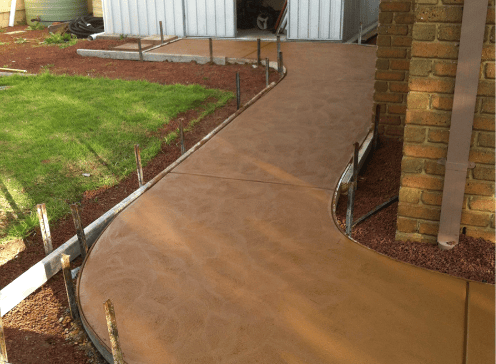
We form the lot to the engineered grade and pour using a concrete pump truck for larger areas, which gives us better placement control. A laser screed Somero S-940 helps us achieve a flat, consistent surface across the slab. After screeding, we finish with a ride-on power trowel and apply a broom finish or other texture for skid resistance. A 6-inch slab thickness is standard for heavy-duty concrete parking areas handling truck and delivery vehicle traffic. Proper consolidation during the pour prevents voids that weaken the slab over time.
Joint Placement and Crack Control Strategies
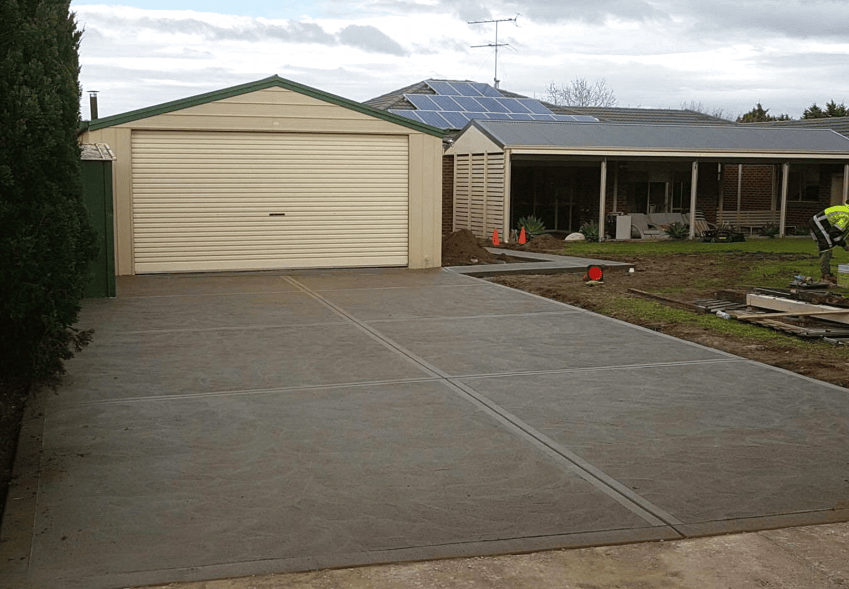
Concrete will crack if joints are not placed correctly. We follow ACI 330R guidelines and cut control joints at 15-foot to 20-foot spacing using a Husqvarna concrete saw. Dowel bars on 12-inch spacing are placed at transverse joints to transfer load across the panel edges. Expansion joints are positioned at columns, walls, and grade changes. After the slab cures, we seal all joints with a polyurethane joint sealant over joint sealant backer rod to keep water and debris out. This step alone prevents a significant portion of the cracking and spalling we see in lots that were built without proper joint planning.
Curing Methods and Return-to-Service Timelines
In Mobile's climate, curing is critical. Heat and humidity can cause the surface to dry faster than the interior, which leads to shrinkage cracks. We apply a curing compound that meets ASTM C309 Type 1-D immediately after finishing to lock in moisture and support full strength development. Most lots we build are ready for light vehicle traffic within 7 days and full commercial use by 28 days. If your schedule is tight, we can discuss rapid-set mix options that shorten that window without sacrificing strength. We coordinate with you on access staging so your business can keep operating during construction wherever that is possible.
Once the slab is cured and joints are sealed, the next decisions are about how the surface looks and functions day to day. The finish, texture, and coating options we offer give you control over safety, appearance, and long-term upkeep.
Finishes, Textures, and Surface Options
Once the concrete is placed and cured, the surface finish makes a real difference in how your parking lot performs and looks over time. We work through each finish option with you so the final product fits your site, your traffic, and your property goals.
Anti-Skid and Broom Finish Surfaces for Safety
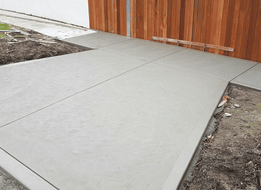
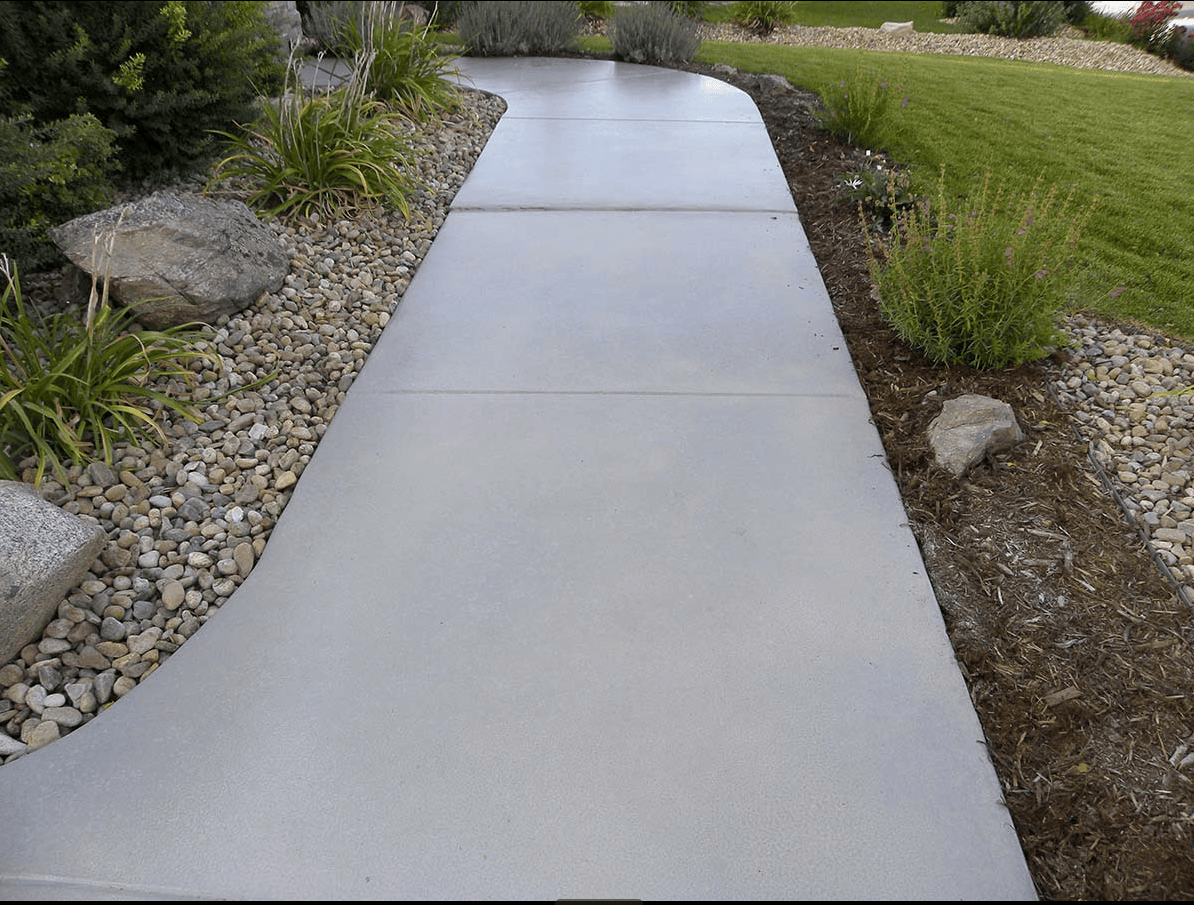
A broom finish is the standard choice for parking lot construction in Mobile. After we strike off the slab, we drag a stiff brush across the surface while the concrete is still workable. This creates a light texture that gives tires and foot traffic something to grip, even when the lot is wet from Gulf Coast rain. The surface texture also holds up well under repeated vehicle traffic without wearing smooth quickly. For areas with heavier pedestrian use, like ADA ramps and walkways, we can apply a more aggressive texture to meet slip-resistance requirements.
Sealing Options to Protect Against Moisture and Stains
Mobile's humidity, salt air, and frequent rain put real stress on concrete pavement. A quality sealer slows moisture intrusion, reduces staining from oil and fuel, and protects the surface from surface spalling over time. We typically apply a lithium silicate sealer or sodium silicate densifier depending on the mix design and exposure conditions. For joints, we use a polyurethane joint sealant with a backer rod to keep water out of the control joints. These concrete sealants are matched to coastal exposure rather than a one-size-fits-all product. Proper sealing also stretches the time between parking lot maintenance visits, which lowers your long-term costs.
Color and Decorative Finish Options for Curb Appeal
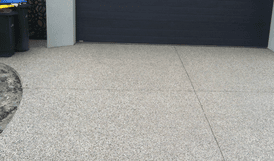
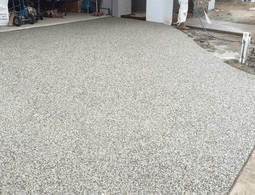
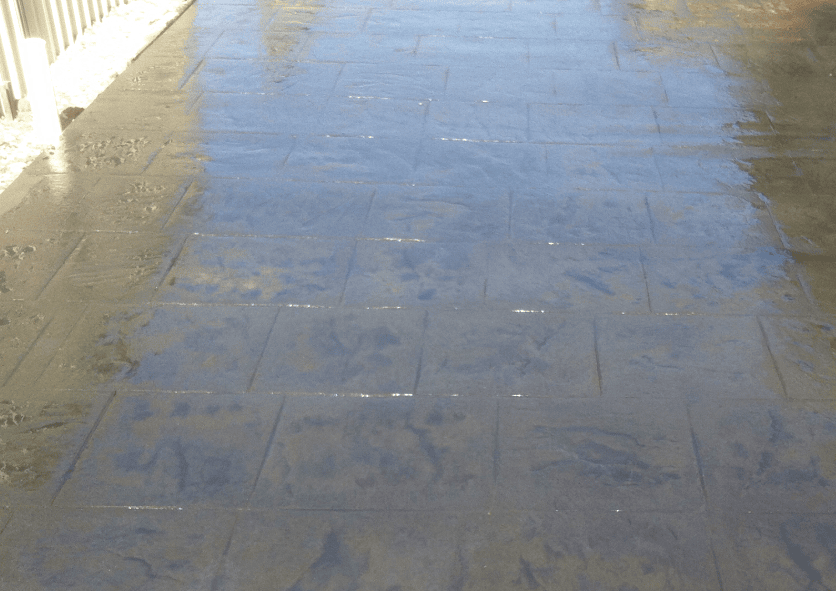
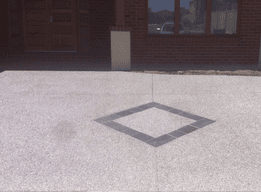
If curb appeal matters for your property, there are practical finish options that go beyond plain gray. Integral color can be added to the mix before the pour, giving the lot a consistent tone without paint or coatings that wear off. Exposed aggregate and light sandblasting are options for areas where appearance carries more weight. These choices work well for properties near Springhill or along the Cottage Hill Road corridor where tenant and customer perception factors into property value. Durable surfaces do not have to look plain, and decorative finishes cost less than many property owners expect when they are planned from the start.
Striping, Markings, and Signage Layout
We coordinate parking lot design so that striping, fire lane markings, ADA stalls, and loading zones are laid out correctly before we ever start the pour. Planning the layout early means grades, drainage slopes, and joint locations all work with the striping rather than against it. ADA-compliant stalls require specific dimensions, slopes no greater than 2% in any direction, and proper signage placement under City of Mobile Building Inspections Department guidelines. We also account for fire lane widths and turning radii that meet City of Mobile Public Works Department standards. Getting these details right the first time avoids costly rework later.
Even a well-finished and properly sealed lot will eventually need attention. Joints compress and open, surfaces face years of traffic and weather, and some areas may settle over time given Mobile's expansive clay subgrade and deltaic soils near the bay. That brings us to what we offer when a lot needs work after years of use.
Repair, Resurfacing, and Replacement Services
Over time, even a well-built concrete parking lot will show wear. Mobile's climate plays a role in that. The humidity, heat cycles, and occasional heavy rain we get here put stress on any paved surface. After more than 10 years working on parking lot construction and concrete repairs across Mobile, we have a clear picture of what causes lots to break down and what it takes to fix them right.
When Repair Is the Right Call Versus Full Replacement
Not every damaged lot needs to be torn out and replaced. The decision comes down to how far the damage has spread and how deep it goes. Surface cracking, spalling, and joint deterioration are usually good candidates for repair or resurfacing. If the subgrade has failed, if there is significant slab settlement, or if random cracking has spread across a large portion of the lot, replacement is often the more cost-effective path in the long run. We will walk your lot, assess the subgrade condition, and give you an honest read on which direction makes sense before any work starts.
Resurfacing Options for Worn or Damaged Concrete
Concrete resurfacing works well when the slab structure underneath is still sound. We can apply bonded overlays that restore surface texture, improve skid resistance, and bring the lot back to a clean, even appearance. We match materials to the existing slab strength and to Mobile's coastal exposure conditions. Where the original surface has become slick or uneven but the base is solid, resurfacing avoids the cost and disruption of full removal. We also apply concrete sealants suited to Gulf Coast humidity to protect the new surface and slow future wear.
Crack Repair and Joint Resealing Services
Cracks and failed joints are the most common issues we see in older lots around areas like Tillman's Corner, Airport Boulevard, and Downtown Mobile. Left alone, water works its way in, softens the subgrade, and turns a small problem into a large one. We route and clean cracks before filling them, and we remove old joint sealant completely before resealing with polyurethane joint sealant backed by joint sealant backer rod. Proper joint maintenance is one of the more effective ways to extend the life of a concrete lot without major expense.
Scheduling Work to Keep Your Business Running During Repairs
We understand that closing off a parking lot affects your customers and your daily operations. We work with you to phase repair work across sections so that access to your building stays open. Depending on the scope, we can schedule pours and repairs during overnight hours or on weekends. Concrete repairs typically require a curing window before that section can carry traffic again, so we plan the sequence carefully and communicate the timeline clearly upfront.
Once we have a solid picture of the repair or replacement scope, the next step is laying out a realistic project timeline so you know exactly what to expect from start to finish.
Project Timeline and What to Expect
Typical Timeline from Site Visit to Project Completion
Once you reach out to us, we schedule a site visit to walk the property, take measurements, and look at the existing conditions. From there, we put together a written estimate that covers scope, materials, and timeline. After you approve the work and we pull the necessary permits through the City of Mobile Building Inspections Department, most parking lot construction projects move into the prep phase within one to three weeks. Subgrade work, base compaction, and forming typically take a few days depending on lot size. The concrete pour itself usually runs one to two days. Total project length from start to finish commonly falls between one and three weeks for a standard commercial lot, though larger jobs along the Airport Boulevard Corridor or near Brookley Aeroplex can run longer.
How We Stage Work to Minimize Disruption to Your Business
We understand your business needs to keep running. We plan the work in sections when possible, so at least part of your lot stays accessible while we complete each phase. We schedule heavy equipment and concrete pours during times that reduce conflict with your peak customer or delivery hours. Our crew handles traffic control and safety setup each day, and we clean up the site before we leave.
Curing Time and When You Can Open the Lot to Traffic
With a standard 4000 psi 28-day compressive strength mix, concrete pavement typically reaches enough strength for light vehicle traffic within seven days under normal conditions. We recommend waiting the full 28 days before allowing heavy trucks or repeated heavy loads. Rushing this step is one of the more common causes of early surface damage, so we give you a clear date based on the actual mix used and the weather at the time of the pour.
Weather Considerations for Pouring Concrete in Mobile
Mobile's heat and humidity directly affect how concrete sets and cures. In summer months, we adjust pour timing, use concrete retarder when needed, and apply a proper curing compound to slow moisture loss and prevent surface cracking. During cooler months, we monitor overnight temperatures to protect fresh slabs. Our team has over ten years of experience working in Mobile's coastal climate, so we know how to adjust our process to protect the finished slab year-round.
Once you have a clear picture of the timeline and process, the next natural step is understanding what the project will cost and what payment options are available to you.
Cost, Estimates, and Payment Options
What Affects the Cost of a Concrete Parking Lot in Mobile, AL
Several things go into the final price of a concrete parking lot, and no two projects are exactly alike. The size of the lot is the most obvious factor, but the condition of the ground beneath it matters just as much. Mobile sits on Coastal Plain sediments and Mobile Bay deltaic soils, and we often run into expansive clay subgrade or poorly graded sand when we dig in. Soft ground needs more prep work, which adds to the cost. A standard commercial lot here typically calls for a 6-inch slab thickness with 4000 psi 28-day compressive strength, and that spec alone shapes the material budget. We use Portland cement Type I/II along with fly ash Class F in our mix designs to hold up against the heat and humidity along the Gulf Coast. Reinforcement choices, drainage design, ADA stalls, curbs, and whether you need permits pulled through the City of Mobile Building Inspections Department all factor in as well.
How to Get an Accurate Quote for Your Project
The most reliable way to get a real number is to let us walk the site with you. A quick visit tells us what the subgrade looks like, how water moves across the property, and what grading work is needed before we ever pour. We bring over 20 years of combined concrete experience and more than 10 years working specifically in Mobile, so we know what to look for on lots near Airport Boulevard, Tillman's Corner, or anywhere along the Moffett Road Corridor. After the site visit, we put together a written estimate that breaks down labor, materials, drainage, jointing, and any permit fees. There are no vague line items. If something changes once we start digging, we talk to you before adjusting the scope.
Concrete Versus Asphalt Cost Comparison Over Time
Upfront, asphalt usually costs less per square foot than concrete pavement. That part is true. But the full picture looks different when you factor in what happens over 20 or 30 years. Asphalt needs sealcoating on a regular schedule, resurfacing every several years, and it softens in Mobile's summer heat, which leads to rutting under heavy vehicles. Concrete holds its shape, resists oil and fuel spills, and its load-bearing capacity stays consistent over time. For commercial lots that see delivery trucks or high daily traffic, the long-term savings on concrete repairs and upkeep add up quickly. When owners along Government Street or near the Brookley Aeroplex run the numbers over the life of their lot, concrete tends to come out ahead on total cost of ownership.
Payment Terms and Financing Options We Offer
We work with commercial property owners, businesses, and municipalities, so we understand that large projects need flexible payment structures. We typically require a deposit to schedule the work and cover initial material costs, with progress payments tied to project milestones and a final payment on completion. For larger jobs, we can discuss staged payment schedules that match your budget cycle. We also work with third-party financing options for qualified commercial customers who prefer to spread costs over time. Before any work begins, we put the full payment structure in writing so there are no surprises. If you want to talk through what a payment plan might look like for your specific project, just reach out and we can go over it together.
Knowing the cost is only part of the decision. Who you hire to do the work matters just as much, and that is exactly what we cover next.
Our Credentials and Local Track Record
Our Licensing, Insurance, and Contractor Qualifications
When you hire us for parking lot construction in Mobile, you get a fully licensed and insured concrete contractor. We carry general liability insurance and workers' compensation coverage, so you are protected if anything unexpected happens on your property. Our team holds certifications including ACI Flatwork Technician and ACI Concrete Field Testing Technician, and we follow standards like ACI 330R and ACI 301 on every pour. We also work directly with the City of Mobile Building Inspections Department and the City of Mobile Planning and Zoning Department to pull the right permits and pass all required inspections before your lot opens for use.
Over 20 Years of Concrete Experience and 10 Years Serving Mobile
Our crew brings over 20 years of combined experience pouring concrete pavement, and we have spent more than a decade working specifically in the Mobile area. That local time matters. We understand Mobile Bay deltaic soils, expansive clay subgrade conditions, and the high humidity that comes with living on the Gulf Coast. We know how to design a mix, typically targeting 4000 psi 28-day compressive strength with a carefully managed water-cement ratio, that holds up against salt air and heavy rain. Whether your site sits near Dog River or along the Airport Boulevard Corridor, we account for what is actually under your lot, not just what a generic spec sheet says.
Local Project Portfolio and References
We have completed parking lot design and installation projects across Midtown Mobile, Tillman's Corner, Springhill, and the Moffett Road Corridor, among other areas. Our portfolio includes commercial lots serving delivery trucks and high daily traffic, where load-bearing capacity and durable surfaces were the top priorities. We are happy to share references from past clients and walk you through completed projects so you can see the quality of our work firsthand before you commit to anything.
Warranties We Stand Behind
We back our work with a written warranty covering materials and workmanship. If a problem develops that traces back to how we built your lot, we come back and make it right. We use quality materials sourced from trusted local suppliers, and our finishing and joint sealing practices, including polyurethane joint sealant and proper curing compounds that meet ASTM C309 requirements, are designed to give your lot a long service life from day one.
Keeping that service life as long as possible comes down to what happens after installation. In the next section, we cover the maintenance plans and long-term care options we offer to protect your investment over time.
Maintenance Plans and Long-Term Care
Routine Maintenance to Extend the Life of Your Parking Lot
A well-built concrete parking lot does not need constant attention, but routine care makes a real difference over time. We recommend keeping the surface clean of debris, oil, and fuel spills. Chemical spills from vehicles can break down the surface layer if left untreated. A simple rinse and occasional pressure washing go a long way, especially in Mobile's humid climate where mold and algae can build up faster than in drier regions. Catching small problems early, like a hairline crack near a joint, keeps minor issues from becoming costly concrete repairs later.
Sealing Schedules and Joint Maintenance
Joint maintenance is one of the most overlooked parts of parking lot maintenance. The polyurethane joint sealant we install is built for Gulf Coast conditions, but it does wear over time. We suggest having joints inspected every two to three years. When sealant shows cracking or separation, resealing with a fresh bead keeps water from working its way under the slab. For the surface itself, a lithium silicate sealer applied on a regular schedule helps protect against moisture intrusion and surface wear. This matters even more near areas like the Airport Boulevard Corridor or Tillman's Corner, where heavy commercial traffic is common.
Expected Lifecycle Costs and Long-Term ROI
When you compare asphalt vs concrete, the long-term numbers tend to favor concrete. Asphalt typically needs resurfacing every seven to ten years and regular sealcoating to hold up. A properly installed concrete lot, built to a 4000 psi 28-day compressive strength with a solid subbase, can last 30 years or more with only basic upkeep. That means lower total spending over the life of the lot, even though the upfront cost is higher. For commercial property owners, that difference adds up significantly.
When to Call Us for an Inspection or Follow-Up Service
We always recommend scheduling a professional inspection if you notice uneven surfaces, pooling water, widening cracks, or spalling near joints. These signs can point to subgrade movement, which is not unusual given Mobile Bay deltaic soils and the expansive clay subgrade common across much of Mobile County. We know this ground well and can assess whether the issue needs concrete resurfacing, targeted repairs, or something more involved. Staying ahead of these problems protects your investment and keeps your lot safe and functional for tenants, customers, and delivery vehicles alike.
With the right maintenance plan in place, your parking lot should serve your property reliably for decades. In the next section, we bring together everything covered here so you can feel confident moving forward with your project.
Ready to Move Forward with Your Concrete Parking Lot in Mobile
You have already learned how a well-maintained concrete parking lot can serve your property for decades. Now it comes down to one question: who is going to build it right the first time?
Why Concrete Is the Right Investment for Your Mobile, AL Property
Concrete parking lots make sense here in Mobile for reasons that go beyond just cost. Our Gulf Coast climate, the humidity off Mobile Bay, the expansive clay subgrade common across areas like Tillman's Corner and the Airport Boulevard Corridor, and the heavy seasonal rain all demand a surface that can hold up. Concrete pavement handles all of that far better than asphalt over the long run. When you weigh asphalt vs concrete on a total cost basis, concrete wins for most commercial property owners who plan to hold their property for more than a few years.
Here is a quick look at what you get when you choose concrete and choose us:
- A durable surface with a lifespan that routinely reaches 30 years or more with basic care
- Strong load-bearing capacity suited for delivery trucks, heavy vehicles, and daily commercial traffic
- Resistance to oil, fuel, and chemical spills that would break down an asphalt lot over time
- Proper surface drainage and grading designed around Mobile's stormwater requirements and soil conditions
- ADA-compliant layout including accessible stalls, ramps, and striping
- Mix designs and reinforcement specified to meet standards like ACI 330R and built to handle local subgrade conditions
- Control joints, curing, and finishing done correctly so your lot does not develop premature cracking
- Options for permeable concrete, sealed surfaces, and anti-skid textures depending on your site
- Lower long-term parking lot maintenance costs compared to repeated asphalt repairs and resealings
- A crew with over 20 years of combined concrete experience and more than 10 years working right here in Mobile
- Proper permits pulled through the City of Mobile Building Inspections Department so your project stays on the right side of local code
- Liability insurance, contractor licensing, and a portfolio of local work you can actually verify
- A realistic maintenance plan so your lot keeps performing long after we finish the job
Next Steps to Get Your Project Started
Whether you need a brand new lot, concrete resurfacing on an existing surface, or a full assessment of what repairs your property needs, we are ready to take a look. We serve commercial property owners across Mobile, from Downtown Mobile and Springhill to Cottage Hill and beyond.
Getting started is straightforward. Fill out the quote request form below or give us a call to schedule a free on-site visit. We will review your site conditions, talk through your needs, and give you a clear, honest estimate with no pressure attached.
Mobile AL Concrete
202 Congress St
Mobile, AL 36603
Business Hours
| Mon | 7:00 AM – 10:00 PM |
| Tue | 7:00 AM – 10:00 PM |
| Wed | 7:00 AM – 10:00 PM |
| Thu | 7:00 AM – 10:00 PM |
| Fri | 7:00 AM – 10:00 PM |
| Sat | 7:00 AM – 10:00 PM |
| Sun | 7:00 AM – 10:00 PM |