Foundation Work in Mobile
Foundation Work Built for Mobile Soil and Weather
We Serve Mobile, AL and the Surrounding Areas for Foundation Work
We provide foundation services throughout Mobile, AL and the surrounding communities, including Spring Hill, Midtown Mobile, West Mobile, Tillmans Corner, Dog River, Prichard, and areas along Government Boulevard and Old Shell Road. We also work in nearby areas like Saraland, Grand Bay, and out toward the Daphne Road Corridor. If you are unsure whether we cover your location, give us a call and we will let you know quickly. We are available for both scheduled assessments and urgent situations where foundation damage needs attention right away.
Common Foundation Problems Homeowners in Mobile Face
If you are noticing cracks in your walls, doors that will not close right, floors that feel uneven, or water collecting near your home after a heavy rain, your foundation may be telling you something. These are not just cosmetic issues. They are early signs that something beneath your home is shifting, settling, or letting water in. Foundation settlement and cracking are two of the most common problems we see in this area, and waiting usually makes things worse and more expensive to fix. Whether you need a full foundation inspection, targeted foundation repair, or help with foundation drainage, we have the experience to assess what is actually going on and explain your options clearly.
Why Local Soil Conditions, Weather, and Coastal Factors Matter for Your Foundation
Mobile sits on a mix of soft deltaic soils, Mobile Bay alluvium, and expansive clay layers that shift with moisture changes. After a wet season or a dry stretch, these soils can move enough to affect your foundation in ways that are not always obvious until real damage shows up. On top of that, Mobile gets significant rainfall, high humidity, and occasional hurricane-force winds that put extra stress on structures from the ground up. The high water table in many parts of the county also creates hydrostatic pressure that works against foundations over time. Homes in neighborhoods like Oakleigh Garden District and areas near Three Mile Creek or Fowl River can be especially vulnerable. As Mobile AL foundation specialists with over ten years working in this area, we factor all of this into every job we take on. The right foundation design here is not the same as it would be somewhere inland, and that local knowledge makes a real difference in how well a repair or new pour holds up over time.
Frequently Asked Questions About Foundation Work in Mobile, AL
How do I know if my foundation needs repair or replacement? Signs like diagonal cracks near door corners, gaps between walls and ceilings, or bowing walls are worth taking seriously. A proper foundation inspection will help determine whether you need spot repairs or something more involved.
Do you pull permits for foundation work in Mobile? Yes. We handle the permitting process through the City of Mobile Building Inspections Department and coordinate inspections so you stay in compliance with the Alabama Building Code throughout the project.
What types of foundations do you work with? We work with slab foundations, crawl space foundations, piling foundations, and systems using foundation piers, including helical and push pier options. We also handle soil stabilization, foundation waterproofing, and underpinning foundation work when the situation calls for it. The next section covers the specific types of foundation work we handle in more detail.
How long does foundation work take? It depends on the scope. A focused repair might take a day or two. A new residential foundation pour or full underpinning project can take several days to a couple of weeks. We will give you a realistic timeline before any work begins.
Are wall anchors an option for bowing walls? Yes. Wall anchors, including carbon fiber straps and wall plate anchors, are a proven way to stabilize bowing or leaning foundation walls without major excavation. Whether they are the right fit depends on the condition and movement of the wall, which we assess during the inspection.
Types of Foundation Work We Handle
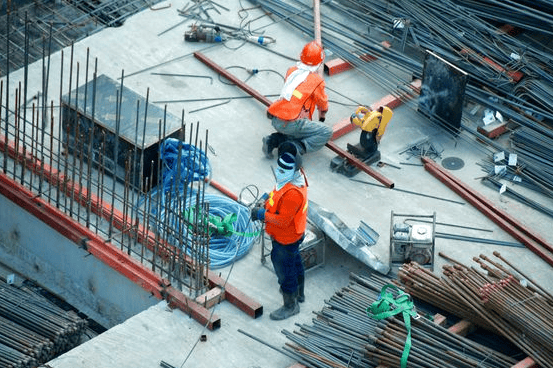
We have spent over 10 years working on residential foundations across Mobile, and that experience has shown us that no two jobs are quite the same. The soil conditions here, from the soft deltaic soils near Dog River to the expansive clay common in areas like Spring Hill and West Mobile, mean that foundation design has to be matched carefully to what is actually under your home. Here is a breakdown of the main types of foundation work we do.
Concrete Slab Foundations
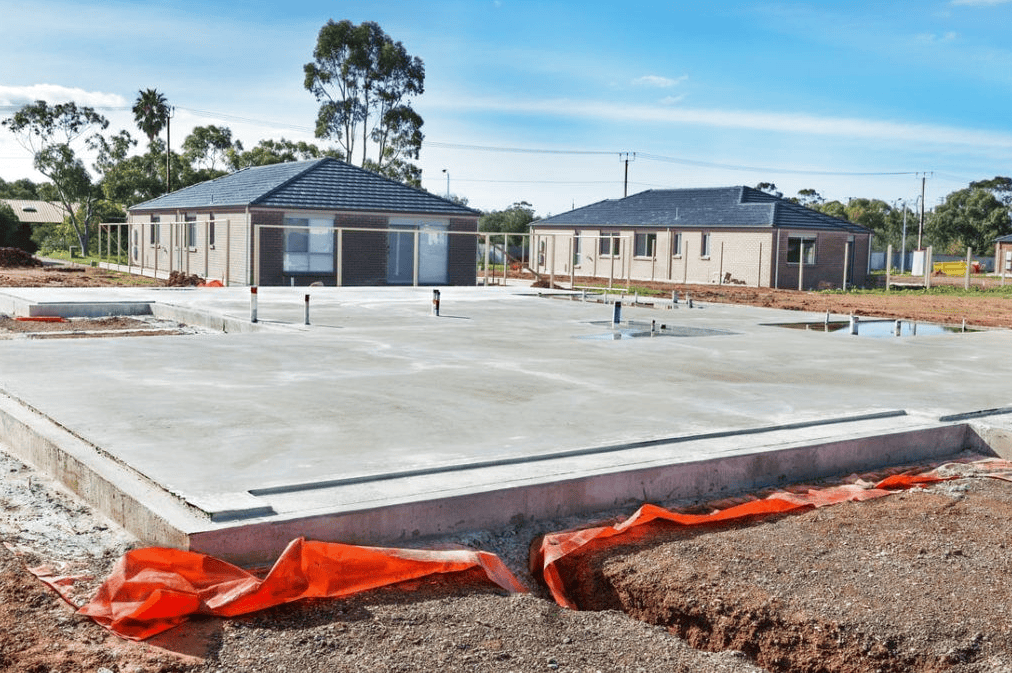
A slab foundation is a single layer of concrete poured directly on prepared ground. We use 4000 psi concrete with #5 rebar at 12 inches on center for most residential slabs in Mobile. Proper compaction and a controlled W/C ratio help us avoid the cracking and settlement problems that are common when slabs are poured over poorly prepared subgrade. We handle everything from permit coordination with the City of Mobile Building Inspections Department to final inspection.
Pier and Beam Foundations
Many older homes in neighborhoods like Oakleigh Garden District and Midtown Mobile sit on pier and beam systems. A crawl space foundation like this raises the structure off the ground, which can help with ventilation and access but also creates exposure to moisture, pests, and settling. We assess the condition of existing beams, sills, and piers and make recommendations based on what we actually find rather than a one-size-fits-all approach.
Concrete Footings
Footings are the base that transfers your home's load into the ground. Getting them right matters, especially in areas near Mobile Bay where the high water table and soft soils can reduce bearing capacity. We size and reinforce footings to meet ACI 318 standards and the Alabama Building Code, and we account for local soil bearing capacity, which can fall at or below 1500 psf in some parts of Mobile County.
Concrete Piers
Foundation piers are used when surface soils cannot reliably support a structure on their own. We install drilled concrete piers that reach a stable bearing stratum, often at depths of 25 feet or more depending on the site. This approach is common in areas with organic silt or peat layers that shift under load. We use helical pier steel and galvanized steel pier brackets from trusted suppliers and install to a minimum torque of 8000 ft-lbs where helical piers are specified.
Foundation Replacement
Sometimes a foundation is too far gone for repair. When that is the case, we walk you through the full replacement process, including excavation, soil stabilization, formwork, reinforcement, and a new concrete pour that meets current code. We pull all required permits through the City of Mobile Building Inspections Department and coordinate inspections so there are no gaps in documentation.
Whether you are dealing with a new build, an aging crawl space, or a slab that has started showing signs of movement, we can evaluate what you are working with and give you a straight answer on what it will take to fix it. That leads us into the repair side of what we do.
Foundation Repair Services
Mobile's soil conditions make foundation problems more common here than in many other parts of the country. Between the soft deltaic soils near Dog River, the expansive clay found in areas like Spring Hill and Midtown Mobile, and the consistently high water table throughout the county, we see a wide range of foundation repair needs across residential properties. With over 20 years of combined concrete experience and more than a decade working specifically in Mobile, we understand what causes foundations to crack, shift, and settle in this region, and we know how to fix it properly.
Crack Repair and Structural Stabilization
Not every crack means the same thing. Hairline surface cracks behave differently than diagonal cracks spreading from a corner or horizontal cracks running along a block wall. We start with a thorough foundation inspection to understand what caused the cracking before we decide how to address it. Depending on what we find, we may use epoxy injection resin to seal and bond structural cracks, or we may recommend wall anchors or carbon fiber straps where lateral earth pressure is pushing a wall inward. For cases involving significant movement or bearing failure, underpinning with foundation piers may be the right path. We work in line with ACI 318 standards and coordinate with licensed engineers when the scope calls for it.
Foundation Leveling and Settling Corrections
Foundation settlement is one of the more serious problems we handle. When soil beneath a slab or crawl space foundation loses its bearing capacity, the structure above starts to shift unevenly. In Mobile, this often traces back to organic silt or peat layers that compress over time, or to poor drainage that saturates and softens the soil. We use tools like the dynamic cone penetrometer to evaluate soil conditions on site before recommending a fix. Helical piers from manufacturers like Chance Civil Construction or GoliathTech are often used to transfer load down past weak soils to a stable bearing stratum. Soil stabilization measures, including compaction grouting and in some cases polyurethane resin injection, can also help restore support beneath a settling foundation.
Slabjacking and Mudjacking
When a slab foundation or concrete surface has sunk or become uneven but the slab itself is still structurally sound, slabjacking or mudjacking can be a practical, lower-cost option. We pump a grout mixture or polyurethane foam beneath the slab to fill voids and lift the concrete back toward its original position. This approach works well for garage floors, walkways, and interior slabs where the underlying soil has settled but not failed entirely. It is a faster process than full replacement and causes far less disruption to the surrounding area.
Emergency Foundation Stabilization
Some foundation problems cannot wait. If a crawl space wall is actively moving, a slab has cracked sharply after a storm, or you are seeing sudden changes in how doors and windows operate, we treat those situations with urgency. We serve homeowners throughout Mobile County, including areas along Fowl River, the Oakleigh Garden District, and out toward Grand Bay and Saraland Heights. Emergency stabilization may involve temporary shoring, immediate pier installation, or placement of wall plate anchors to stop active movement while a longer-term repair plan is developed. We pull all required permits through the City of Mobile Building Inspections Department and keep the work code-compliant from the start.
Foundation repair covers a wide range of problems, and the right solution depends on what is actually happening beneath your home. Knowing what to look for on the surface can help you catch issues early before they grow into larger structural problems.
A few years back, we took on a foundation job for a homeowner over in West Mobile that turned into one of the trickiest projects we had seen in our years of working in this area. The client wanted a solid concrete foundation for a room addition, and things looked straightforward at the start. We pulled the permits, laid out the forms, and got ready to pour.
Then we hit the soil.
If you have spent any time in Mobile, you know our ground can be soft and full of clay. When we dug down to the required depth, we found a layer of wet, unstable soil that would not support the load of a concrete foundation. Pouring on top of it would have been a disaster. The foundation could have shifted or cracked within a few years, and that would have put the whole addition at risk.
We stopped, called the homeowner, and walked them through exactly what we were looking at. We did not want to just push forward and leave them with a problem down the road. After talking it over, we brought in extra gravel and compacted fill to build a stable base before we ever mixed a drop of concrete. It added time and some cost to the project, but it was the right call.
When we finally poured and the foundation cured out, it was solid and level. The room addition went up without a hitch. That job is a good reminder of why knowing Mobile's soil conditions matters just as much as knowing how to pour concrete. We have been working this ground for over 10 years, and that kind of local knowledge protects you from problems that do not show up until it is too late.
Signs Your Foundation Needs Attention
Most foundation problems don't show up all at once. They tend to develop slowly, and the early signs are easy to overlook or chalk up to normal settling. After working on residential foundations across Mobile for over a decade, we've seen how quickly small warning signs can turn into bigger structural issues. Here's what to watch for.
Visible Cracks in Walls, Floors, or the Foundation Itself
Not every crack means serious trouble, but some do. Hairline cracks in drywall are common in older homes, especially after a wet season. What concerns us more are stair-step cracks in brick or block, horizontal cracks in concrete or masonry walls, and cracks that are wider than a quarter inch or continue to grow. Cracks in your concrete foundation itself, particularly those that run diagonally or allow water in, are a clear signal that something needs a closer look. These patterns often point to foundation settlement or shifting soil underneath the slab or footing.
Uneven or Sloping Floors
If you notice your floors feel springy, slope toward one side of the room, or have a noticeable dip in the middle, that's worth paying attention to. In homes with a crawl space foundation, this often means the support beams or piers underneath have shifted or deteriorated. In slab homes, it can point to voids forming beneath the concrete due to soil movement or erosion. Either way, a floor that isn't level is rarely a cosmetic issue alone.
Doors and Windows That Stick or No Longer Close Properly
When a foundation moves, the frame of your home moves with it. Doors and windows that used to open and close smoothly but now stick, drag, or leave gaps at the corners are a common early sign of foundation settlement. If you're seeing this in multiple areas of the home, it's more likely a foundation issue than a simple humidity problem with the wood.
Water Intrusion, Moisture, and Drainage Problems Around the Foundation
Standing water near your foundation after rain, moisture seeping through basement or crawl space walls, and efflorescence (the white mineral deposits left behind by water) all suggest that foundation drainage and foundation waterproofing may be failing. In Mobile, where rainfall averages over 65 inches per year and the water table can sit close to the surface, water management around the foundation is not optional. Persistent moisture leads to soil stabilization problems, erosion under footings, and eventually structural movement.
Gaps Between Walls, Ceilings, or Floors
Separation where walls meet the ceiling, gaps where interior walls pull away from the floor, or spaces opening up around door frames can all point to movement in the foundation below. These gaps often appear gradually, which is why homeowners sometimes don't notice them until they've grown significantly. In some cases, a foundation inspection reveals that what looks like a cosmetic gap is actually tied to deeper movement involving foundation piers or the need for underpinning foundation work.
If you're seeing one or more of these signs in your home, the next step is understanding why it's happening, and that starts with the ground your home sits on. Mobile's local soil conditions and coastal environment play a direct role in how foundations behave here, which is something we'll walk through next.
Mobile, AL Soil and Environmental Considerations
We have spent over a decade working on residential foundations across Mobile, and one thing we have learned is that the ground here does not behave like it does in other parts of Alabama. The soil, the water table, the humidity, and the coastal air all work together in ways that put real stress on a concrete foundation. Understanding those conditions is the first step toward building or repairing a foundation that actually holds up over time.
How High Water Table Conditions Affect Foundations in Mobile
Mobile sits on soft deltaic soils and Mobile Bay alluvium, which means water is often sitting close to the surface. In neighborhoods like Dog River, Plateau, and areas near Three Mile Creek, we regularly encounter a high water table that puts upward pressure on slabs and can undermine footings over time. This hydrostatic pressure is one of the main reasons foundation settlement and cracking are so common here. When we do a foundation inspection, checking the water table depth is one of the first things we look at. Ignoring it leads to problems that get expensive fast.
Coastal Weather, Humidity, and Their Impact on Concrete Foundations
Mobile averages over 65 inches of rain a year, and that moisture does not just stay on the surface. It cycles in and out of the soil repeatedly, which causes expansion and contraction beneath a slab foundation or crawl space foundation. Hurricane-force winds and storm surge events also shift the lateral earth pressure acting on foundation walls. For the concrete itself, we specify mixes using Type II cement and a low water-to-cement ratio to hold up in this kind of environment. Concrete that is not mixed and cured properly in high-humidity conditions loses strength faster than most homeowners realize.
Expansive and Shifting Soils Common to the Mobile Area
Parts of Mobile, including areas along Government Boulevard and into West Mobile, sit on expansive clay soils. These soils swell when wet and shrink when dry, and that movement is hard on any foundation design. Older homes in the Oakleigh Garden District and Spring Hill often show the effects of this through sticking doors, sloping floors, and diagonal cracks at window corners. We use soil stabilization techniques when conditions call for it, and we size footings based on actual soil bearing capacity rather than assumptions. In areas where the allowable soil bearing drops below 1,500 psf, we bring in deeper solutions like foundation piers or an underpinning foundation approach to reach a reliable bearing stratum.
Corrosion-Resistant Materials We Use for Coastal Environments
Salt air off Mobile Bay accelerates corrosion in reinforcing steel, which shortens the life of a foundation if the right materials are not used from the start. We use rebar ASTM A615 with proper concrete cover to keep moisture and chlorides away from the steel. For pier systems, we rely on galvanized steel pier brackets and helical pier steel rated for coastal exposure. When a project calls for it, we also incorporate a silica fume admixture into the concrete mix, which tightens the pore structure and slows chloride penetration significantly. These are not optional upgrades for Mobile. They are standard practice given where we work.
Getting the soil and material side right sets the stage for everything else. Once the foundation itself is properly built or repaired, the next priority is managing the water that surrounds it, which is where waterproofing, drainage, and grading come in.
Waterproofing, Drainage, and Grading
Why Waterproofing Matters for Mobile Foundations
Mobile sits near the bay and deals with heavy rainfall, high humidity, and a water table that can be surprisingly close to the surface. Those conditions put real pressure on any concrete foundation, especially in areas near Dog River, Three Mile Creek, or the lower-lying parts of Tillmans Corner and West Mobile. Without proper foundation waterproofing, water finds its way in through cracks, joints, and porous concrete. Over time, that moisture weakens the structure and creates conditions that are expensive to fix. We use crystalline waterproofing compounds and hydrophilic grout to seal foundations from the inside out, stopping water before it becomes a bigger problem.
Drainage Solutions to Protect Your Foundation Long-Term
Good foundation drainage is not something you add after the fact. It needs to be planned from the start. In neighborhoods like Spring Hill and Oakleigh Garden District, where older homes sit on shifting soil with limited drainage infrastructure, we often install French drains using washed gravel and geotextile fabric to redirect groundwater away from the foundation. This reduces hydrostatic pressure, which is one of the leading causes of foundation settlement and wall movement. The City of Mobile Building Inspections Department also requires proper drainage planning as part of permitted foundation work, so getting it right from the beginning keeps your project on track.
Grading and Site Preparation Before Foundation Work Begins
The ground around your home should slope away from the foundation, not toward it. When grading is off, even a heavy rain can send water pooling against your slab or crawl space walls. Before we pour any concrete or set any foundation piers, we evaluate the site carefully. Mobile's soft deltaic soils and Mobile Bay alluvium can shift under load if the ground is not properly prepared. We use a soil compactor and, when needed, crushed limestone to build a stable base before work begins. This step directly affects how well your foundation performs over the years.
Reducing Mold, Mildew, and Pest Risks Through Proper Foundation Sealing
A crawl space foundation that takes on moisture becomes a breeding ground for mold, mildew, and pests. In Mobile's humid climate, that happens faster than most homeowners expect. Sealing your foundation properly, combined with a solid drainage plan and correct grading, cuts off the conditions those problems need to grow. We use vapor barriers, polyurethane resin sealants, and where needed, carbon fiber straps to close gaps and reinforce weakened walls. The result is a foundation that holds up better and a living space that stays healthier over time.
Once the waterproofing and drainage plan is in place, the next step is walking you through exactly how we approach foundation work from start to finish.
Why We Are the Right Fit for Your Project
We are a licensed and insured concrete contractor based right here in Mobile, AL. Our team has over 20 years of combined experience pouring and finishing concrete, and we have spent more than 10 years working specifically in the Mobile area. That means we know this region well, the soil conditions, the humidity, the coastal weather, and the local codes that affect how concrete work gets done here.
When you hire us, you are working directly with experienced tradespeople who have handled concrete projects of all sizes across Mobile County. We have poured driveways in Midtown, built patios in West Mobile, installed commercial slabs in the Port City area, and completed foundation work throughout the surrounding communities. This is our home too, and we take the quality of our work seriously because of that.
Concrete is not a forgiving material. If the subbase is not compacted properly, if the mix is wrong for the conditions, or if the joints are not placed correctly, you will see problems within a few years. Mobile's high humidity, heavy rainfall, and clay-heavy soils make those details even more important. We have seen what happens when those steps get skipped, and we do not skip them.
We carry full licensing and insurance so you are protected throughout the project. We also help you navigate permits and inspections when your project requires them, which takes that burden off your plate. Whether you are planning a new driveway, need a cracked slab repaired, or want to explore stamped or decorative options, we are straightforward with you about what the work involves, how long it will take, and what it will cost.
We offer free on-site estimates so we can look at your specific conditions before we give you a number. Concrete projects vary a lot depending on the site, and an honest estimate needs to account for your actual ground, your actual layout, and your actual goals.
Our Foundation Work Process
Every foundation project we take on in Mobile starts with a clear process. From the first time we look at your property to the final walkthrough, we follow the same steps on every job. That consistency is how we keep quality high and surprises low.
Site Assessment and Soil Evaluation
Before we pour a single yard of concrete, we need to understand what we are working with beneath your feet. Mobile sits on a mix of soft deltaic soils, Mobile Bay alluvium, and areas with a high water table. Some parts of the city, especially near Dog River or Three Mile Creek, have organic silt or marine clay layers that can shift under load. We use tools like a dynamic cone penetrometer to check soil compaction and bearing capacity on site. This tells us whether your ground can support a slab foundation, needs foundation piers, or requires soil stabilization before we do anything else. Skipping this step is how problems start.
Planning, Permitting, and Local Code Compliance in Mobile
Once we know what the soil can handle, we move into design and paperwork. We pull permits through the City of Mobile Building Inspections Department and coordinate with Mobile County Building Permits Office when the project requires it. All of our foundation design work follows the Alabama Building Code and ACI 318 standards. If your project needs engineer-reviewed drawings, we work with licensed PEs to get that done before breaking ground. This keeps you protected, keeps the job legal, and makes sure future inspections go smoothly whether you are in Spring Hill, Midtown Mobile, or out in West Mobile.
Site Preparation and Excavation
With permits in hand, we prepare the site. That means clearing, grading, and excavating to the correct depth for your foundation type. We use a mini excavator or backhoe depending on access and scope. Proper grading at this stage also sets up foundation drainage, which is critical in Mobile where rainfall averages over 65 inches a year. We lay geotextile fabric and washed gravel where needed to manage groundwater and reduce hydrostatic pressure under the slab or around footings. We also handle utility locates before any digging begins, following OSHA 1926 Subpart P trench safety requirements.
Forming, Pouring, and Curing Concrete
We form every pour carefully, setting rebar ASTM A615 at the correct spacing and cover depth before any concrete goes in. For most residential foundations in Mobile, we use 3000 psi or 4000 psi concrete sourced locally from suppliers like Ready Mix USA Mobile or Gulf Coast Ready Mix. In areas with corrosive coastal air or moisture exposure, we may spec Type II cement or add a silica fume admixture to improve durability. After the pour, curing is not optional. We protect the slab during the cure period to prevent early cracking and strength loss. Rushed curing is one of the most common causes of long-term concrete problems.
Inspection Coordination and Final Walkthrough
We schedule and coordinate all required inspections with the City of Mobile Building Inspections Department so you do not have to chase that down yourself. After the inspector signs off, we do a final walkthrough with you to go over the work, answer any questions, and confirm everything matches what was planned. We document the completed foundation inspection results for your records. That paperwork matters if you ever sell the home or file an insurance claim.
Once the foundation work is wrapped up and inspected, the next thing most people want to know is what it all costs and how long it takes. We will break that down in the next section.
Costs, Timelines, and Payment Options
What Foundation Work Typically Costs in Mobile, AL
Foundation work in Mobile covers a wide range of projects, so costs vary quite a bit. A basic slab foundation pour for a smaller home might run a few thousand dollars, while full foundation repair involving foundation piers or underpinning can reach well into the tens of thousands depending on conditions. Most homeowners in areas like Spring Hill or Dog River find that minor crack repairs and foundation drainage corrections fall somewhere in the middle range. We can give you a more specific number after we see your site and assess what the soil and structure actually need.
Factors That Affect the Price of Your Foundation Project
Several things will move the price up or down. Mobile Bay alluvium and soft deltaic soils common near Three Mile Creek or Fowl River often require deeper work and more material than firmer ground. The type of foundation matters too. A crawl space foundation, a piling foundation, or a slab all carry different labor and material costs. Soil stabilization needs, pier depth, rebar requirements, concrete strength, and whether permits are needed through the City of Mobile Building Inspections Department all factor in. Access to your property and the extent of any existing foundation settlement also play a role.
How Long Foundation Work Takes from Start to Finish
Simple repairs or a small pour can sometimes be completed in a day or two. More involved work like underpinning foundation sections, installing wall anchors, or completing a foundation inspection followed by a full repair plan typically takes one to two weeks from start to finish. Permitting through Mobile County Building Permits Office adds time, and we always account for that in your schedule. We coordinate inspections so there are no surprises that push your project back.
Financing Options and Cost-Saving Alternatives We Offer
We understand that foundation work is not a budgeted expense for most homeowners. We work with financing options that can help spread the cost over time, and we are happy to walk you through what is available when we meet. On some projects, addressing foundation waterproofing or grading issues early can reduce what you ultimately spend by stopping problems before they grow. We will always tell you what needs to happen now and what can wait, so you can make the decision that fits your situation. Our goal is to give you an honest picture of cost and timeline before any work begins, which leads naturally into what you should know about our licensing, insurance, and credentials.
Licensing, Insurance, and Credentials
Why Hiring a Licensed and Insured Contractor Matters
When you hire someone to handle foundation repair or a new slab foundation pour, the stakes are high. A foundation failure can put your entire home at risk. In Alabama, contractors performing this kind of structural work are required to carry proper licensing, and for good reason. If something goes wrong on the job and your contractor is not licensed or insured, you could be left holding the bill. Beyond that, lenders and home insurance companies often will not honor claims tied to work done without the right credentials. Hiring a licensed, insured contractor protects you, your property, and your investment from day one.
Our Credentials and Experience Serving Mobile, AL
We bring over 20 years of combined concrete experience to every project, including more than 10 years working specifically in Mobile and the surrounding area. We are familiar with the challenges that come with Mobile Bay alluvium, soft deltaic soils, and the high water table found in neighborhoods like Dog River, Midtown Mobile, and along the Dauphin Island Parkway corridor. Our team holds credentials in line with Alabama Homebuilders Licensure Board requirements and follows standards set by ACI 318 and the Alabama Building Code. We also carry full liability insurance and workers' compensation coverage on every job. When you bring us out to assess your residential foundation, you can verify our standing with the Mobile Area Chamber of Commerce or check our history through Mobile County Development Services.
How We Handle Permits and Inspections on Your Behalf
Most foundation design and repair work in Mobile requires permits through the City of Mobile Building Inspections Department or the Mobile County Building Permits Office, depending on your location. We manage that process for you. We submit the paperwork, schedule required inspections, and make sure the work meets local code from start to finish. If your project involves foundation piers, underpinning, or drainage work near areas like Three Mile Creek or Fowl River, there may be additional review steps involved. We coordinate all of it so nothing falls through the cracks.
Getting the credentials and permitting right is just the beginning. Once the work is complete, you deserve to know it will hold up over time, which brings us to the warranties and post-job support we stand behind.
Warranties, Guarantees, and Post-Job Support
What Our Workmanship Warranty Covers
We stand behind every foundation project we complete in Mobile, whether it is a slab foundation pour in West Mobile or foundation repair work in the Oakleigh Garden District. Our workmanship warranty covers defects related to how the work was performed, including issues with concrete placement, rebar installation, and joint finishing. We use materials that meet or exceed Alabama Building Code requirements, and our concrete mixes are specified for the humidity and coastal air conditions common here. If something fails because of how we built it, we come back and make it right. What the warranty does not cover is damage caused by events outside our control, such as major flooding, tree root intrusion after completion, or changes made to the structure by others. Before we close out any job, we walk the site with you so you understand exactly what was done, what to watch for, and what your warranty includes.
What to Expect After Your Foundation Project Is Complete
Once we finish a concrete foundation or underpinning foundation project, there is typically a curing and settling period. Concrete needs time to reach full strength, and some minor surface changes during this phase are normal. We will let you know what is expected versus what would be worth calling us about. If your project involved foundation piers or soil stabilization, we recommend keeping an eye on your floors, door frames, and any visible cracks over the first few weeks. For projects near Dog River or other low-lying areas where the water table runs high, we also suggest checking your foundation drainage quarterly to make sure water is moving away from the structure as designed. Any permits pulled through the City of Mobile Building Inspections Department will be closed out properly, and we handle final inspection coordination so you are not left managing that on your own.
How to Reach Us If You Have Concerns Down the Road
We have been working in Mobile for over ten years, and we are not going anywhere. If you have a concern after your project is finished, whether it is a question about a new crack, a change in how a door swings, or something related to foundation settlement, just give us a call. We keep records of every job we complete, so when you contact us we already have the details of your project on file. For most concerns, we can schedule a follow-up site visit and take a look at what is going on. Some issues turn out to be unrelated to the foundation work, and we will tell you that honestly. Others may need attention, and if it falls under your warranty, we address it at no cost to you. We work across Mobile County, from Spring Hill to Tillmans Corner, so getting back to your property is never a problem.
Beyond foundation work, we offer a range of concrete services that often connect directly to what was done below grade, including driveways, retaining walls, and flatwork that ties into the foundation system we built for you.
Related Concrete Services
Retaining Walls and Their Connection to Foundation Stability
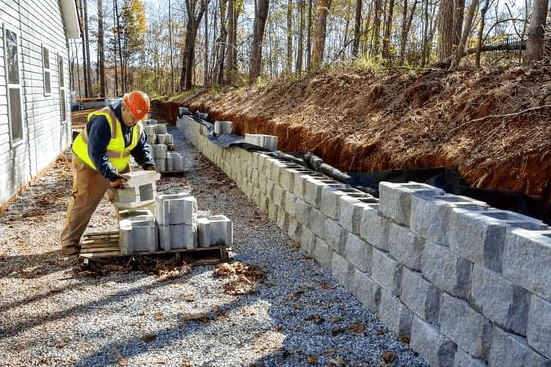
Foundation work and retaining walls go hand in hand, especially in areas around Mobile where soft deltaic soils and lateral earth pressure can shift the ground around your home. When soil moves sideways against a foundation, it creates stress that leads to cracking, bowing walls, and foundation settlement. A properly built retaining wall helps control that soil movement before it becomes a bigger problem. We design and pour retaining walls that work with your foundation design rather than against it, using materials like rebar ASTM A615 and 4000 psi concrete to handle the load. In neighborhoods like Spring Hill or Dog River, where graded lots are common, this kind of integrated approach makes a real difference in how your foundation holds up over time.
Driveways and Sidewalks Tied to Foundation-Level Grading
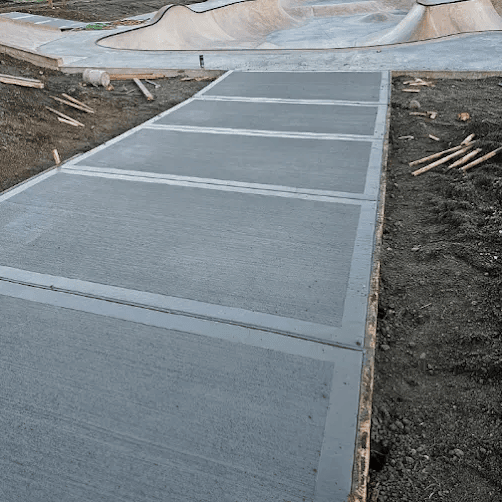
Grading around your home directly affects foundation drainage. When a driveway or sidewalk slopes toward your house instead of away from it, water collects near the foundation and works its way in. We pay close attention to how flatwork connects to the grade around your home. Whether we are pouring a new driveway off Cottage Hill Road or replacing a cracked sidewalk near a crawl space foundation, we make sure the surface directs water away from the structure. Good grading tied to well-poured flatwork is one of the simpler ways to protect your foundation from moisture damage without a major repair project.
Additional Concrete Work We Offer in Mobile, AL
Beyond foundation repair and flatwork, we handle a range of concrete services for residential and light commercial properties across Mobile County. That includes slab foundation pours, steps, pads, curbing, and decorative concrete. With over 20 years of combined experience pouring concrete and more than 10 years working specifically in Mobile, we understand how the local climate, high water table, and coastal air affect concrete performance over time. We pull permits through the City of Mobile Building Inspections Department, coordinate inspections, and make sure everything meets the Alabama Building Code. Whatever your project involves, we approach it with the same attention to detail we bring to full foundation work.
If you are weighing your options for foundation work or related concrete services, the next section covers what to expect as you move toward a final decision.
Why We Are the Right Choice for Foundation Work in Mobile, AL
Whether you need a new slab foundation, foundation repair, or a full assessment of what is going on beneath your home, the work we do ties directly into everything else a well-built property depends on. Driveways, retaining walls, and sidewalks all perform better when the ground beneath them is stable and properly supported. That stability starts with the foundation.
We have been pouring and repairing concrete in Mobile for over 10 years, and our crew brings more than 20 years of combined hands-on experience to every job. We know the soil conditions here. We know how Mobile Bay alluvium, soft deltaic soils, and a high water table can shift and compress over time. We pull permits through the City of Mobile Building Inspections Department, we follow the Alabama Building Code, and we use materials like rebar ASTM A615 and Type II cement that hold up in a humid, coastal environment. Every job we do is backed by real liability insurance and documented workmanship.
Here is what you get when you work with us:
- Local knowledge of Mobile soil conditions, drainage patterns, and coastal weather impacts
- Proper site evaluation including foundation inspection and soil assessment before any work begins
- Correct concrete mix design using quality materials sourced from local suppliers like Ready Mix USA Mobile
- Accurate rebar placement and controlled curing to prevent cracking and long-term deterioration
- Integrated foundation drainage and waterproofing to manage groundwater and hydrostatic pressure
- Solutions for foundation settlement, including foundation piers, underpinning foundation work, and wall anchors
- Full permit handling and inspection coordination through local Mobile County offices
- Options for crawl space foundation, piling foundation, and residential foundations of all types
- Transparent cost estimates with no surprise change orders
- Warranty-backed work that protects your investment and holds up under future inspections
- A local crew that shows up on schedule and sees the job through to completion
How to Get a Free Estimate or Schedule a Site Visit
Getting started is straightforward. We offer free estimates for foundation work throughout Mobile, including Spring Hill, Midtown Mobile, West Mobile, Dog River, and surrounding areas. You do not need to know exactly what the problem is before you reach out. That is what the site visit is for. We will take a look, give you an honest assessment, and walk you through your options without pressure.
Call us or fill out the quote form below to schedule your free estimate. We are ready to help you get your foundation right.
Mobile AL Concrete
202 Congress St
Mobile, AL 36603
Business Hours
| Mon | 7:00 AM – 10:00 PM |
| Tue | 7:00 AM – 10:00 PM |
| Wed | 7:00 AM – 10:00 PM |
| Thu | 7:00 AM – 10:00 PM |
| Fri | 7:00 AM – 10:00 PM |
| Sat | 7:00 AM – 10:00 PM |
| Sun | 7:00 AM – 10:00 PM |